
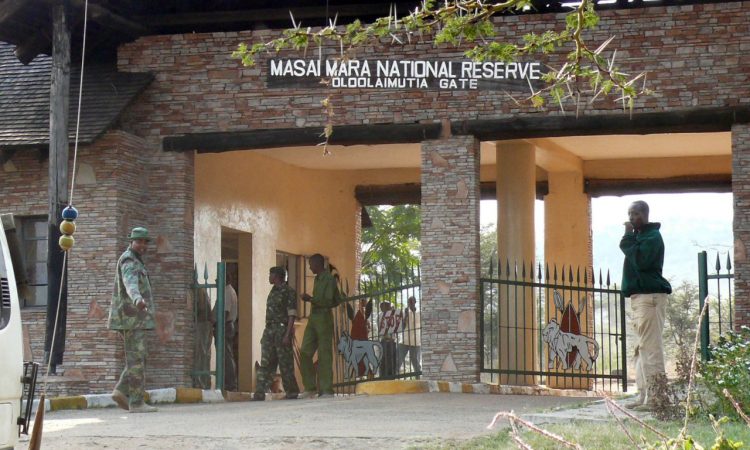
Masai Mara National Reserve Fees 2026/2027
Planning a safari to the Masai Mara and wondering how much you will pay to enter the reserve? This guide provides the latest Masai Mara National Reserve fees, including Masai Mara park entrance fees for adults, children, residents and Kenyan citizens, as well as vehicle entry fees, camping fees, payment methods and the important 12-hour entry rule.
The current Masai Mara entrance fee structure includes different rates depending on the visitor category and the time of year. Non-resident adult fees are USD 100 per person per day from January to June and USD 200 per person per day from July to December.
The rates published for 2026 are subject to change by the Narok County Government, which manages the Masai Mara National Reserve. Travelers should therefore confirm the applicable rates when planning their safari, particularly for travel dates in 2027.
Important Update: The Masai Mara 12-Hour Rule
One of the most important things to understand when planning a Masai Mara safari is that park entrance fees are valid for 12 hours, from 6:00 am to 6:00 pm.
This rule is particularly important for travelers staying inside the reserve or those using air transfers.
How the 12-hour Masai Mara entry rule works
- Masai Mara park entrance fees are valid for 12 hours, from 6:00 am to 6:00 pm.
- Travelers staying inside the reserve are required to pay the applicable daily Masai Mara entry fee.
- Travelers departing the reserve by road should leave by 10:00 am. An exit after this time may attract an additional daily park entrance fee.
- Travelers departing by air, whether staying inside or outside the reserve, should arrive at their departure airstrip by 10:00 am. Staying beyond the applicable time may be treated as an additional park-entry day.
- Travelers coming from accommodation facilities outside the reserve may receive 2-hour transit tickets at the gate of entry to allow them to travel to airstrips located inside the reserve.
Because the 12-hour rule can affect the total cost of a safari, it is important to discuss your accommodation, game-drive and flight itinerary with your safari operator before booking.
Masai Mara Park Entrance Fees 2026
The Masai Mara entrance fees vary according to whether you are a non-resident, East African resident or Kenyan citizen.
Adult Masai Mara Entrance Fees
For non-resident visitors, the current Masai Mara park fees are:
- USD 100 per adult per day from January to June
- USD 200 per adult per day from July to December
The July–December period therefore has a substantially higher entrance fee for non-resident adults.
Child Masai Mara Park Fees
Children aged 9 to 17 years pay:
- USD 50 per child per day throughout the year
Persons above 17 years are considered adults.
Children aged 8 years and below are exempt from the Masai Mara park entrance fee and can enter the reserve free of charge, subject to the applicable entry requirements.
Masai Mara National Reserve Entrance Fees Table
The following table summarizes the current Masai Mara National Reserve entrance fees by visitor category.
| Visitor Category | Non-Residents | East African Residents | Kenyan Citizens |
|---|---|---|---|
| Adult | USD 100 Jan–JunUSD 200 Jul–Dec | Ksh 2,500 Jan–JunKsh 5,000 Jul–Dec | Ksh 1,500 Jan–JunKsh 3,000 Jul–Dec |
| Child (9–17 years) | USD 50 all year | Ksh 1,000 Jan–JunKsh 2,000 Jul–Dec | Ksh 300 Jan–JunKsh 500 Jul–Dec |
| Student | USD 50 | Ksh 300 Jan–JunKsh 500 Jul–Dec | Subject to applicable student requirements |
Children aged 8 years and below are exempt from the Masai Mara entrance fee.
Who qualifies as a Kenyan citizen?
Kenyan citizens are persons who are nationals of Kenya. Valid identification documents may be required when purchasing tickets at the applicable citizen rate.
Who qualifies as an East African resident?
East African residents are persons legally residing in Kenya, Uganda, Tanzania, Rwanda or Burundi. Visitors should carry the required identification and proof of residency when accessing the applicable resident rates.
Who is considered a non-resident?
Non-residents are visitors from countries other than Kenya, Uganda, Tanzania, Rwanda and Burundi.
Masai Mara child entrance fees
Children are persons aged 9 to 17 years for the purposes of the applicable entrance-fee category. Children aged 8 years and below enter free, subject to the reserve’s applicable requirements.
Masai Mara student fees
Student rates are applicable to eligible students, including persons aged 17 years, who are sponsored by a recognized learning institution and have a valid student identification document.
Student visits should be part of a pre-arranged school-organized trip or be specifically for authorized research purposes. Advance permission may be required from the relevant Masai Mara ticketing office in Narok.
How to Pay Masai Mara Park Entrance Fees
Understanding how to pay your Masai Mara entrance fees is an important part of planning your safari.
Payment arrangements can vary depending on the part of the Masai Mara you are visiting.
Cash payments may be accepted at some areas of the reserve, while the western side, including the Mara Triangle and Mara Conservancy area, uses cashless payment arrangements.
Cashless payment methods may include:
- Visa
- MasterCard
- M-Pesa mobile money
Cash may be accepted in US Dollars or Kenya Shillings where the relevant facility permits cash payments.
Cashless payment is also available at other gates, including Sekenani Gate and Talek Gate.
Documents required for resident and citizen rates
Kenyan citizens and East African residents should carry the appropriate identification documents.
Residents should have proof of their residency so that they can access the applicable East African resident Masai Mara park fees.
It is advisable to confirm payment arrangements before your safari because ticketing procedures and accepted payment methods can change.
Can Masai Mara entrance fees be prepaid?
Yes. Prepayment arrangements are available through KAPS, located at the KATO office on Longonot Road, Upper Hill, Nairobi.
Prepayment allows travelers to arrange their tickets in advance and can make the entry process easier when beginning their safari.
Masai Mara Vehicle Entry Fees
In addition to the individual Masai Mara park entrance fees, safari vehicles may attract separate vehicle entry charges.
The applicable vehicle fees include:
| Safari Vehicle | Fee |
|---|---|
| Less than 6 seats | Ksh 400 |
| 6–12 seats | Ksh 1,000 |
| 13–24 seats | Ksh 3,000 |
| 24–44 seats | Ksh 4,000 |
| 45 seats and above | Ksh 5,000 |
Truck Entry Fees
| Truck Capacity | Fee |
|---|---|
| 1–3 tons | Ksh 700 |
| 4–7 tons | Ksh 2,500 |
| 8 tons and above | Ksh 3,500 |
Travelers should confirm the latest vehicle charges when arranging their safari, particularly where vehicle size or special-use vehicles are involved.
Masai Mara Camping Fees
Visitors who plan to camp in the Masai Mara should budget for camping charges in addition to the applicable park entrance fees.
| Category | Non-Resident Public Campsite | Non-Resident Private Campsite | East African Resident Public Campsite | East African Resident Private Campsite | East African Citizen Public Campsite | East African Citizen Private Campsite |
|---|---|---|---|---|---|---|
| Adult | USD 30 | USD 40 | Ksh 1,000 | Ksh 1,500 | Ksh 1,000 | Ksh 1,000 |
| Child | USD 20 | USD 20 | Ksh 200 | Ksh 500 | Ksh 200 | Ksh 200 |
| Student | USD 20 | USD 20 | Ksh 200 | Ksh 500 | Ksh 200 | Ksh 200 |
Travelers should note that camping in the Masai Mara requires hiring two rangers for nighttime security.
Because camping regulations and charges can change, visitors should confirm the latest requirements before setting up camp.
How Much Do Masai Mara Park Fees Add to Your Safari Cost?
The entrance fee is only one part of the total cost of a Masai Mara safari.
Your overall safari budget may also include:
- Accommodation
- Safari vehicle and driver-guide
- Meals
- Park entrance fees
- Conservancy fees, where applicable
- Airport or airstrip transfers
- Domestic flights
- Camping fees
- Optional activities
For example, two non-resident adults visiting during a period when the applicable entrance fee is USD 200 per person per day would pay USD 400 per day for park entry alone.
For a three-day safari, this would amount to USD 1,200 in entrance fees for two adults, before accommodation, transport and other safari expenses are included.
This is why understanding the Masai Mara park fee per day is important when comparing safari packages.
Are Masai Mara Park Fees Included in Safari Packages?
Masai Mara entrance fees are commonly incorporated into the total price of an organized safari package, but this depends on the tour operator and the specific package.
Before booking, ask whether the quoted safari price includes:
- Masai Mara park entrance fees
- Vehicle entry fees
- Accommodation
- Meals
- Driver-guide services
- Airport transfers
- Conservancy fees
- Other applicable government or conservation charges
A lower advertised safari price is not necessarily cheaper if important park or conservation fees have been excluded.
Masai Mara National Reserve Fees and Conservancy Fees
It is also important to distinguish between the Masai Mara National Reserve and the private conservancies surrounding or adjoining the reserve.
A safari itinerary may include time in:
- Masai Mara National Reserve
- Mara Triangle
- Private conservancies
Private conservancies can have their own conservation fees and rules. These charges should not automatically be confused with the standard Masai Mara National Reserve entrance fee.
If your safari includes a conservancy, ask your tour operator whether its conservation fee is included in the package price.
Frequently Asked Questions About Masai Mara Park Fees
How much is the Masai Mara entrance fee in 2026?
The current non-resident adult entrance fee is USD 100 per person per day from January to June and USD 200 per person per day from July to December.
How much is the Masai Mara park fee for children?
Children aged 9–17 pay USD 50 per day for non-resident entry. Children aged 8 and below are exempt from the entrance fee.
How long is a Masai Mara entry ticket valid?
The Masai Mara park entry fee is valid for 12 hours, from 6:00 am to 6:00 pm.
Do I pay Masai Mara park fees every day?
Travelers staying inside the reserve are required to pay the applicable daily entrance fee. The total number of days charged depends on the itinerary and applicable ticketing rules.
What is the Masai Mara park fee from July to December?
For non-resident adults, the current fee is USD 200 per person per day from July through December.
What is the Masai Mara park fee from January to June?
For non-resident adults, the current fee is USD 100 per person per day from January through June.
Do Kenyan citizens pay the same Masai Mara entrance fee as foreign visitors?
No. Kenyan citizens have separate rates that are considerably lower than the non-resident rates, provided they meet the applicable eligibility and identification requirements.
Do East African residents pay the same fees as non-residents?
No. Eligible residents of Kenya, Uganda, Tanzania, Rwanda and Burundi have separate resident rates.
Do children under 9 pay Masai Mara entrance fees?
Children aged 8 years and below are exempt from the Masai Mara entrance fee.
Are vehicle fees included in Masai Mara park entrance fees?
Vehicle charges are separate from the individual visitor entrance fees and depend on the size or seating capacity of the vehicle.
Are camping fees included in the Masai Mara entrance fee?
No. Camping charges are separate from the applicable park entrance fees.
Can I pay Masai Mara entrance fees in cash?
Cash payment may be accepted at some areas, while other areas use cashless payment systems. Travelers should confirm the current payment arrangements for their chosen gate or section of the reserve before arrival.
Plan Your Masai Mara Safari
The Masai Mara National Reserve is one of Kenya’s most remarkable wildlife destinations and attracts travelers throughout the year for its exceptional wildlife viewing, landscapes and the annual wildebeest migration.
Understanding the Masai Mara park fees in advance makes it easier to prepare an accurate safari budget and avoid unexpected costs.
Get in touch with us to plan your ultimate Masai Mara safari, Masai Mara migration safari, or Kenya wildlife safari and enjoy an unforgettable African safari experience.
Before traveling, always confirm the latest entrance fees, payment procedures and reserve regulations, as rates and operating requirements may be updated by the relevant authorities.