
Attractions of Sibiloi National park
Attractions of Sibiloi National park : Sibiloi National Park is located in northern Kenya, near Lake Turkana. It is a UNESCO World Heritage Site and offers a unique and diverse range of attractions for visitors. Here are some of the main attractions of Sibiloi National Park:
Koobi Fora
Sibiloi National Park is renowned for its rich paleontological discoveries, particularly the Koobi Fora region. Fossil remains of early hominids, including Homo habilis and Homo erectus, have been found here, contributing to our understanding of human evolution.
Koobi Fora is a region within Sibiloi National Park, located on the eastern shore of Lake Turkana in northern Kenya. It is internationally recognized as a significant paleontological site and has played a crucial role in our understanding of human evolution. Koobi Fora is renowned for its rich fossil deposits, particularly those related to early hominids (human ancestors). Excavations in the area have uncovered numerous fossilized remains, including those of Homo habilis, Homo erectus, and Paranthropus boisei. These discoveries have contributed significantly to our knowledge of human evolution and the timeline of early human history.
Koobi Fora has been the site of ongoing scientific research since the 1960s. It has yielded a wealth of fossilized bones, teeth, and stone tools, providing valuable insights into the behavior, anatomy, and evolution of early hominids. The Koobi Fora Research and Visitor Center, located within Sibiloi National Park, serves as a hub for scientific research and interpretation of the region’s paleontological heritage. The centre exhibits fossil specimens, showcases the work of palaeontologists, and educates visitors about human evolution and the significance of the Koobi Fora site.
Some of the most famous discoveries from Koobi Fora include the nearly complete skull of Homo habilis, known as “KNM-ER 1813,” and the fossilized remains of “Turkana Boy” (KNM-WT 15000), a well-preserved Homo erectus specimen. Stone tools found in the area have also provided valuable evidence of early human technology and cultural practices. The sedimentary deposits in the Koobi Fora region preserve a chronological sequence of ancient environments, offering a glimpse into the changing landscapes that early hominids inhabited. Scientists can analyse the stratigraphy to reconstruct the ecological context and environmental changes that shaped human evolution.
Koobi Fora, along with the surrounding area of Sibiloi National Park, has been designated as a UNESCO World Heritage Site. This recognition acknowledges the site’s universal value and its contribution to the understanding of human history.
Visiting Koobi Fora provides an opportunity to explore the cradle of humanity, witness ongoing scientific research, and gain a deeper understanding of our evolutionary past. It is a place of great scientific importance and fascination for those interested in human evolution and paleontology.
Lake Turkana
The park borders Lake Turkana, the largest desert lake in the world. The lake itself is a sight to behold, with its shimmering blue waters and volcanic islands. It is also known as the “Jade Sea” due to its striking colour.
Lake Turkana, also known as the “Jade Sea,” is the largest desert lake in the world. Located in the Great Rift Valley in northern Kenya, it is an extraordinary natural wonder with unique features and a rich cultural and ecological significance. Lake Turkana covers an area of about 6,405 square kilometers (2,473 square miles) and stretches approximately 290 kilometers (180 miles) from north to south. Its shoreline is approximately 800 kilometers (497 miles) long. The lake is located at an elevation of 360 meters (1,180 feet) above sea level.
Lake Turkana is part of the Great Rift Valley, a geological fault system that extends from the Middle East to Mozambique. The lake formed as a result of tectonic movements that created a depression in the Earth’s crust. Lake Turkana is known for its striking blue-green colour, which gives it the nickname “Jade Sea.” The colour is a result of the algae and minerals present in the water. The lake’s waters are highly alkaline and have a high mineral content, making it one of the most saline lakes in the world.
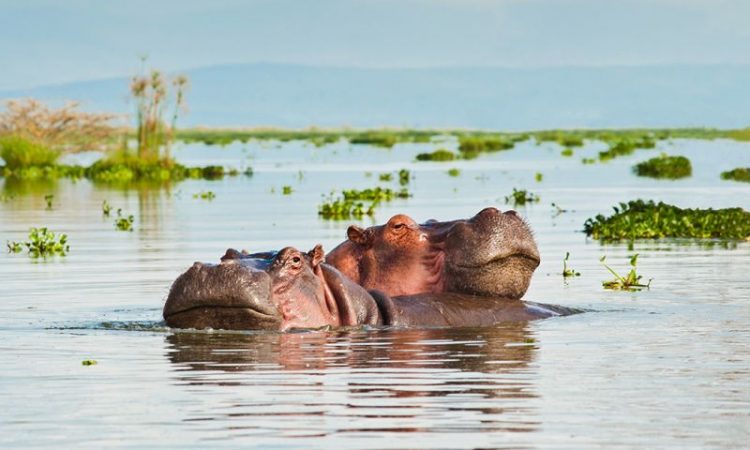
Lake Turkana is a biodiversity hotspot and supports a rich and unique ecosystem. It is home to a variety of fish species, including Nile tilapia and Nile perch, as well as crocodiles and hippos. The lake is also a crucial habitat for a diverse bird population, including flamingos, pelicans, and various migratory species. Lake Turkana, along with the adjacent Sibiloi National Park, has been designated as a UNESCO World Heritage Site. The site’s outstanding universal value lies in its geological and paleontological significance, as well as its contribution to the understanding of human evolution.
Lake Turkana is surrounded by several ethnic communities, including the Turkana, El Molo, and Rendille people. These communities have traditionally depended on the lake for fishing, livestock grazing, and other resources. The lake’s cultural significance is reflected in the traditional practices, folklore, and livelihoods of these communities. Lake Turkana is dotted with several volcanic islands, which add to its scenic beauty. Some notable islands include Central Island, South Island, and North Island. These islands are characterized by unique geological formations, volcanic craters, and ancient archaeological sites.
Lake Turkana offers opportunities for adventure and exploration. Visitors can embark on boat safaris, fishing trips, and cultural tours to explore the lake and its surrounding areas. The remote and rugged landscapes make it an ideal destination for those seeking off-the-beaten-path experiences. Lake Turkana’s breath taking beauty, geological significance, and cultural heritage make it a captivating destination for nature enthusiasts, photographers, scientists, and anyone interested in exploring the wonders of the natural world.
Wildlife
While Sibiloi National Park is primarily known for its paleontological significance, it is also home to a variety of wildlife. Visitors may encounter species such as zebras, giraffes, elephants, crocodiles, hippos, and various bird species. The park’s diverse ecosystem supports both terrestrial and aquatic wildlife.
The wildlife in and around Sibiloi National Park and Lake Turkana region is diverse and adapted to the unique environment of northern Kenya. While the area is primarily known for its paleontological significance, it still supports a variety of animal species. The mammal species found in the area include:
African elephants: These majestic creatures can occasionally be seen wandering near the lake or within the park.
Grevy’s zebras: Known for their unique and striking appearance with narrow stripes, Grevy’s zebras can be found in the region.
Giraffes: Both the reticulated and Rothschild’s giraffes can be spotted in the park and surrounding areas.
Lions: While lions are not as abundant as in other parts of Kenya, there is still a population of lions in the region.
Cheetahs: These fast and elusive cats can occasionally be seen in the park, primarily in the grassy plains.
Hyenas: Spotted hyenas are present in the area and play a crucial role in the ecosystem as scavengers.
Olive baboons: These primates can be found near the lake and in the park, often seen in troops.
Birds
Lake Turkana and its surroundings are home to a diverse bird population, including both resident and migratory species. Some notable bird species include:
Flamingos: Greater and lesser flamingos can be seen in large numbers, creating a vibrant spectacle along the lake’s shores.
Pelicans: Both the great white pelican and pink-backed pelican can be found near the lake, particularly on the islands.
Herons and Egrets: Various heron and egret species, such as the grey heron and little egret, can be spotted along the lake’s edge.
Fish Eagles: African fish eagles are commonly seen soaring above the lake, hunting for fish.
Ostriches: These large flightless birds, the largest in the world, can be found in the park’s grasslands.
Reptiles: The lake and its surroundings are also home to various reptile species, including:
Nile crocodiles: Lake Turkana is known for its population of Nile crocodiles, which can be spotted basking in the sun along the lake’s shores.
Monitor lizards: These large lizards, such as the Nile monitor, can be seen near the water bodies and in the park.
Tortoises: Different species of tortoises, including the pancake tortoise, inhabit the rocky areas of the region.
It’s important to note that wildlife sightings can vary, and the abundance and visibility of certain species can depend on factors such as season, weather, and specific habitats within the park and surrounding areas. A guided safari or visit to Sibiloi National Park and Lake Turkana region will offer the best opportunities to observe and appreciate the diverse wildlife present in this unique part of Kenya.
Petrified Forest
Within the park, you can explore a unique petrified forest, which is a geological wonder. The ancient trees turned to stone millions of years ago, and their preserved remains create an otherworldly landscape.
Cultural Heritage
The region surrounding Sibiloi National Park is inhabited by various ethnic groups, including the Turkana people. Interacting with the local communities can provide insights into their traditional way of life, cultural practices, and crafts.
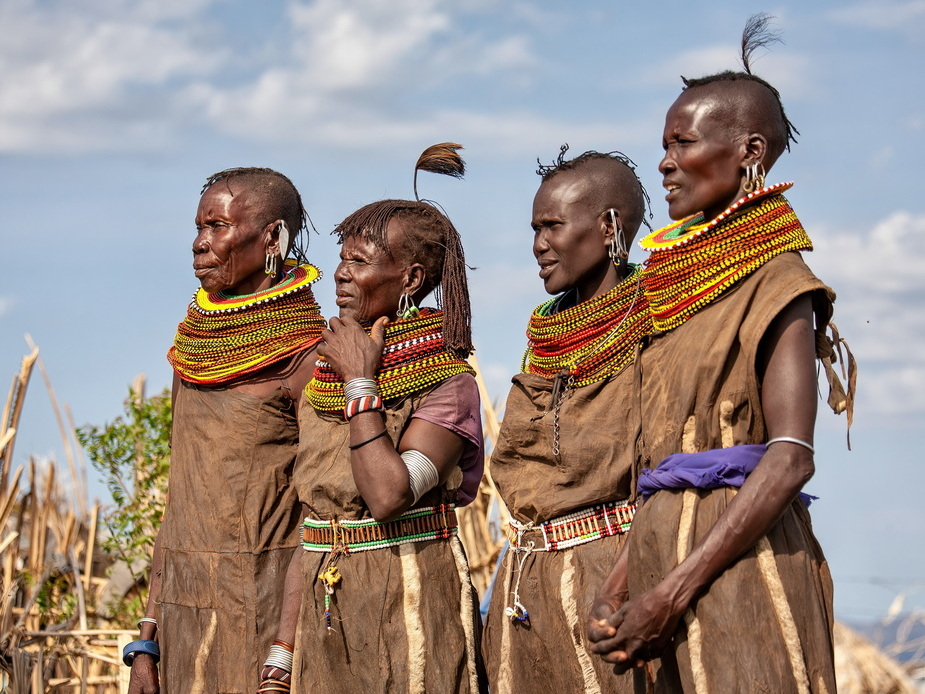
The Sibiloi National Park and Lake Turkana region are not only rich in natural wonders but also hold significant cultural heritage. The area is home to several ethnic communities that have inhabited the region for centuries, each with their unique traditions, customs, and ways of life. Here are some aspects of the cultural heritage in the Sibiloi National Park and Lake Turkana region:
Turkana People: The Turkana community is the largest ethnic group in the area, known for their resilience and adaptation to the arid environment. They are traditionally pastoralists and depend on livestock such as cattle, goats, and camels for their livelihoods. The Turkana people have a rich cultural heritage, including vibrant traditional dress, music, dance, and oral traditions passed down through generations.
El Molo People: The El Molo are one of the smallest ethnic communities in Kenya and reside near Lake Turkana. Traditionally, they have been fishermen and are known for their fishing skills and the construction of traditional boats called “bari.” The El Molo have a unique cultural heritage, including distinct language, crafts, and folklore.
Rendille People: The Rendille community inhabits the northern parts of the Sibiloi National Park region. They are nomadic pastoralists who move with their livestock in search of water and pasture. The Rendille are known for their colorful attire, beadwork, and distinct hairstyles. Their cultural practices, such as traditional ceremonies and rituals, form an integral part of their heritage.
Cultural Practices: The local communities in the region have preserved their cultural practices over generations. These include traditional ceremonies, dances, storytelling, and rituals that reflect their belief systems, social structure, and values. Visitors to the area can have the opportunity to witness and engage in cultural experiences, such as attending a traditional Turkana wedding or participating in a tribal dance.
Crafts and Artefacts: The communities in the region are skilled artisans, creating unique crafts and artefacts that showcase their cultural heritage. These crafts include beadwork, pottery, wood carvings, and woven items. Local markets and craft centres offer opportunities to purchase these authentic handmade products as souvenirs.
Attractions of Sibiloi National park : Archaeological Sites: The Sibiloi National Park and Lake Turkana region are not only known for their paleontological sites but also for their archaeological importance. The area has numerous archaeological sites, including ancient rock art, burial sites, and remnants of settlements, which provide insights into the historical human presence and cultural practices of earlier civilizations.
Attractions of Sibiloi National park : Cultural Tourism
The local communities are increasingly involved in cultural tourism initiatives, offering visitors the chance to learn about their way of life, participate in cultural activities, and experience traditional hospitality. Community-led tours, homestays, and cultural festivals are organized to promote and preserve the cultural heritage of the region.
Exploring the cultural heritage of the Sibiloi National Park and Lake Turkana region provides a deeper understanding of the local communities, their traditions, and their connection to the land. It offers visitors an opportunity to engage with the vibrant cultural diversity and contribute to the sustainable development of the area.
Attractions of Sibiloi National park : Hiking and Exploration
Sibiloi National Park provides opportunities for hiking and exploration. Visitors can embark on guided walks or treks to explore the park’s diverse habitats, geological formations, and archaeological sites.
Attractions of Sibiloi National park : Bird Watching
The park is a haven for bird enthusiasts, with over 350 bird species recorded in the area. Flamingos, pelicans, herons, and various migratory birds can be spotted along the shores of Lake Turkana.
Fishing
Lake Turkana supports a thriving fish population, making it a popular destination for fishing enthusiasts. Visitors can try their hand at fishing, either from the shore or by joining local fishermen on their traditional boats.
Stargazing
Sibiloi National Park’s remote location and minimal light pollution offer excellent conditions for stargazing. The clear night skies provide an opportunity to observe constellations, shooting stars, and the Milky Way in all its glory.
These are just some of the attractions that make Sibiloi National Park a fascinating destination. Whether you are interested in natural wonders, paleontology, wildlife, or cultural experiences, this national park has something to offer for every type of traveller.