Maasai Mara National Park, Kenya Safaris
Maasai Mara National Reserve (Masai Mara National Park) is a popular Kenya safari destination known for wildlife and wildebeest migration packages. It is located in southwestern Kenya along the Great Rift Valley in Narok County, near Serengeti National Park in Tanzania, encompassing the Mara Region / Masai Mara region.
The Maasai Mara was named after the Maasai people, the area they call Mara, meaning spotted circles of trees, savanna, scrub, and cloud shadows. It was established in 1961 as a wildlife sanctuary, initially covering only 520 square kilometers in the Mara Triangle.
The same year, the reserve expanded eastward to about 1,821 square kilometers, becoming a game reserve managed by the local Narok County Council. In 1974, it gained national reserve status, and 159 square kilometers were returned to local communities. Further land reductions in 1976 brought the park to 1510 square kilometers by 1984.
In 1994, the management was divided between Narok County Council and the newly formed Trans Mara County Council. Then, in 2001, the Mara Conservancy was created as a nonprofit organization to oversee management. Maasai Mara is bordered by the Siria Escarpment to the west, Serengeti to the south, and Maasai ranches to the north, east, and west.
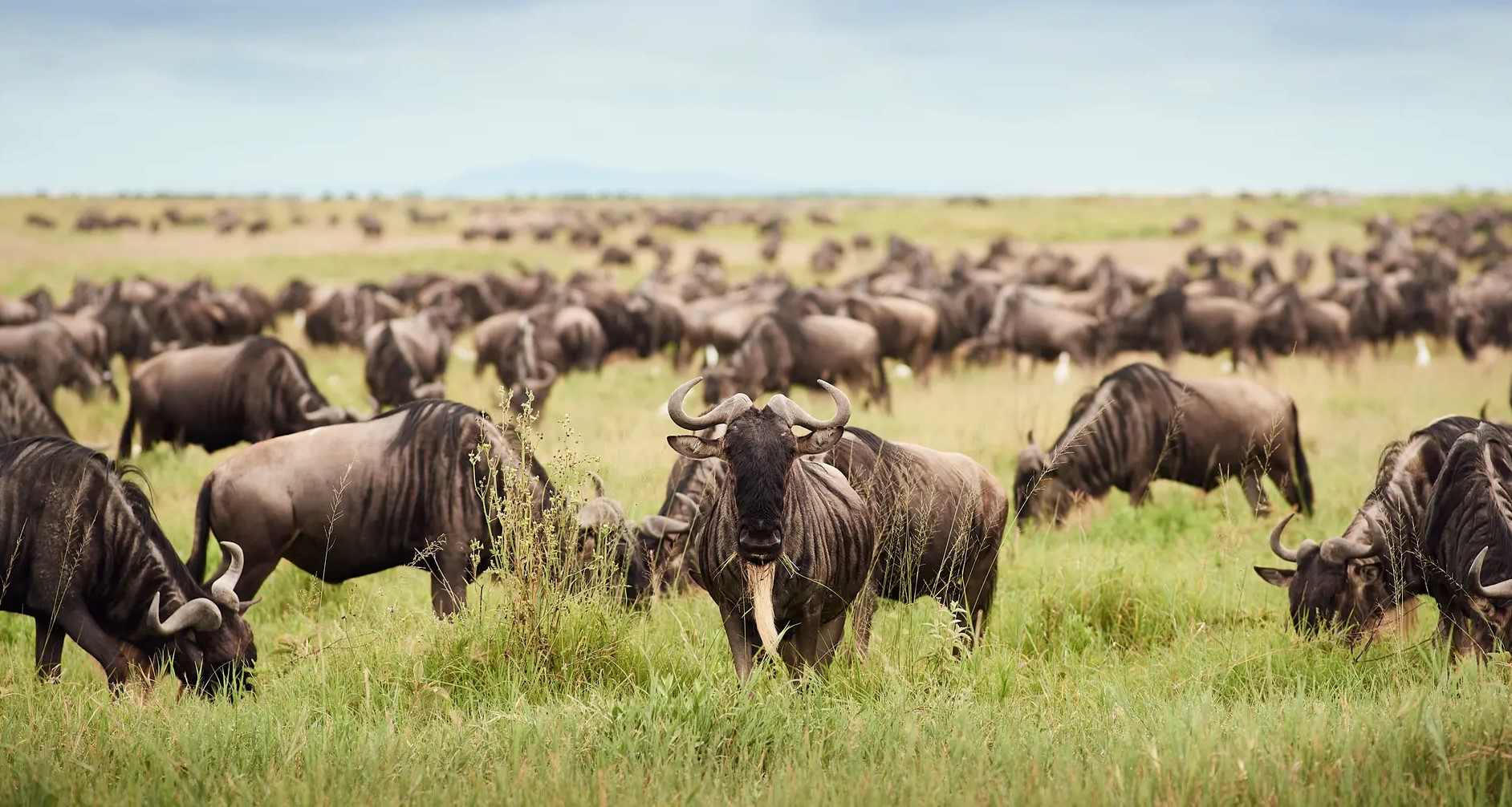
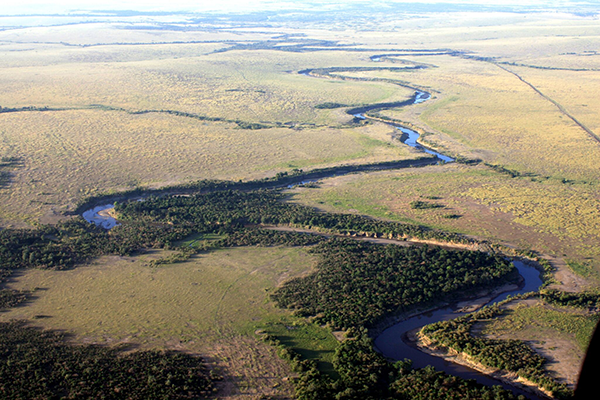
The park features the Maasai Mara River and Talek River, which serve as key drainage systems. Its vegetation is mostly open savannah grassland with seasonal rivulets and scattered acacia trees. The reserve is famous for the annual Great Wildebeest Migration, where millions cross the Mara River, facing predators like lions, leopards, Nile crocodiles, and others.
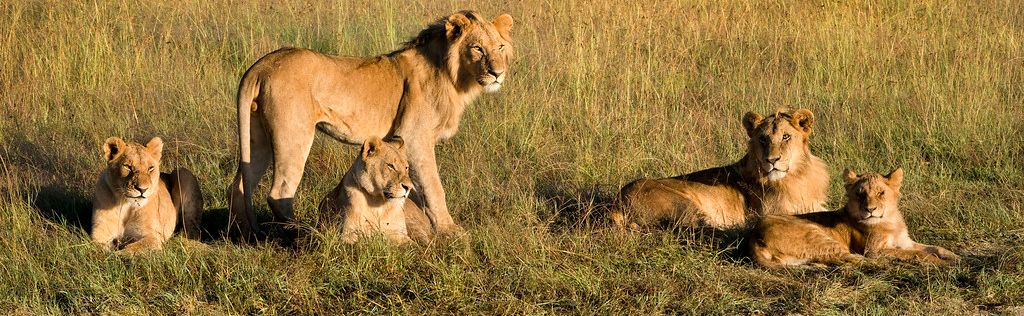
Visitors can see the Big Five- elephants, leopards, lions, buffaloes, and rhinos- with the highest black rhino population in Africa. Book Maasai Mara safaris with us, ranging from 3 Days Maasai Mara Kenya, 4 Days Classic Maasai Mara Tour, 6 Days Maasai Mara Holiday, 7 Days Kenya’s Finest Wildlife Safari, up to 14 Days of Magical Kenya Safaris.
Discover Maasai Mara National Reserve
Explore the vast lands of the Maasai Mara Reserve in Kenya
Location of Maasai Mara: Maasai Mara National Reserve is located in the South Western part of Kenya, it is 180 kilometers away from the Kenyan Capital city, Nairobi. Masai Mara is one of the most famous national reserves not only in Kenya but in Africa at large. This reserve is found in Narok County in Kenya, adjacent to the endless plains of Serengeti National Park that form the great Mara-Serengeti Ecosystem.
The reserve covers 1,510 square kilometers that runs to the northernmost section of the Mara-Serengeti ecosystem covering over 30,000 square kilometers. The reserve is bordered by Serengeti National Park in the South, Siria Escarpment on the West, and the Masai pastoral ranches on the North, West, and East.
It is drained by three main rivers, which are: the Sand River, the Talek River, and the Mara River. Masai Mara can be accessed by both road transport and by flight, with daily flights operating through Nairobi at Jomo Kenyatta National Airport and Wilson airstrip. Other domestic flights connect from different domestic airstrips across East Africa for Wildlife Kenya tours.

Attractions in Masai Mara National Reserve: Masai Mara National Park has both natural and wildlife attractions that are located in the middle of the park. These attractions are subdivided in conservancies that are managed by different Maasai locals around the park. Below are the top Attractions in Masai Mara National Reserve: Seeing the great wildebeest migration, the world’s largest animal migration that happens annually, the Maasai Culture is one of the few remaining untapped cultures on the planet. The Hot Air Balloon Safari, Big game, walking safaris and bird watching.
Narok Museum is located in the Maasai’s largest town, Narok. It’s one of the unique attractions found in this little isolated town. The Museum is packed with the traditions and culture of the Masai.
Ol Kinyei Conservancy is one of the key attractions in Masai Mara located in the center of the reserve along with the greater Serengeti-Mara ecosystem.
It is the largest conservancy in Mara, endowed with a wide range of attractions from rolling Kopjes to the mighty great migration along the Mara River. The Mara Triangle is another famous conservancy in Masai Mara. It is managed by the Trans-Mara County Council and covers an area of 510 square kilometers. It’s situated next to Oloololo Escarpment.
Other Attractions in Masai Mara National Park include Mara River, where the great wildebeest migration happens, the Mara North Conservancy, Olare Orok Conservancy, Ol Choro Oiroua Conservancy, and Lemek Conservancy.
Hot air Balloon in Masai Mara: Hot air Balloon in Masai Mara is one of the few unmissable experiences at the reserve. Have a great Eagle view of Masai Mara as you float in the air, with an aerial view of the wildlife and entire topography of the reserve. Hot Air Balloon in Maasai Mara is a unique experience that lasts for 1 hour or more, depending on the weather of the day.
You enjoy the pink touches of the sunlight that crosses the sky, observing the rays of the sun rise and spread all over the balloon basket. The Balloon safaris in Maasai Mara start early in the morning at around 5 am with a briefing by the senior pilots before we are set to enter and sit down in the basket as the hot air balloon is started.
The Maasai Mara hot air balloon takes you as close as possible to nature, where you can capture clear video clips and take as many photos as you can. You catch wildlife live while on the flight, like wildebeest migration, big cats on a morning hunt, and many more. The Hot Air balloon is done in the bush with a toast of a wine glass or a champagne before your driver collects you to take you back to the lodge.


Wildebeest migration in Masai Mara: Wildebeest migration in Masai Mara is one of the seven natural wonders of the world. It’s recorded as the largest wildlife migration on planet Earth that takes place annually. The wildebeest circular migration follows the yearly weather calendar as the animals look for fresh water and pasture.
The wildebeest move miles and miles from the endless plains of Serengeti to the Maasai Mara National Park through the Mara River. Wildebeest migration in Maasai Mara reserve takes place from July to August, when millions of wildebeest and other grazers like Zebras, topis, and others move to the Southern part of Masai mara to look for fresh pastures. It is an incredible, magical, and indescribable action which is best experienced live than seeing it in documentaries.
The journey attracts a lot of predators, especially the big cats on land and big Nile Crocodiles in the water during the River crossing from Ngorongoro National Park to Serengeti National Park and cross to Masai mara – a journey termed as Survival of the Fittest. Wildebeest migration in Masai Mara National Park is the world’s most thrilling and spectacular display of wildlife, which is unique. The animals will spend between two to three months in Masai Mara before they trek back to Serengeti National Park.

Activities in Masai Mara include exploring the best of Maasai Mara National Reserve with the best Tour operators, giving the guests a wide range of experiences through different Safari activities at the reserve, hence making your African trip more remarkable.
We offer our guests a wide range of the best selected Kenya safari activities that are done both inside and outside the reserve. You can explore these activities by car, foot or Horse and they can be done either by day or at night.
Game drives are the key activity in all African wildlife protected areas. The game drives can be done the whole day, half day or at night. Masai Mara is among the few national reserves that allow night game drives.
Nature walks are guided walking safaris that are led by the game rangers or the Masai warriors. We follow the footsteps of the wildlife in the wilderness as the explorers did, experiencing the beauty of nature on foot. The other great activity in Maasai Mara National Park is the Hot Air Balloon, which is a once-in-a-lifetime experience recommended as an unmissable activity while in Maasai Mara.
Cultural Tours, visit the locals and see the true African setup of traditions in Africa with the Maasai culture. Guests can also enjoy the new form of wildlife game drives called Horseback Safaris. Encountering the best of the bush while on top of the other animals is a unique experience. Wildebeest migration viewing: 1000’s of tourists flock Masai Mara from July to October as they come to catch a live migration of the wildebeest.
Happening annually is one of the memorable events in Maasai Mara National Park. Besides viewing wildebeest, birders also enjoy the reserve as it’s home to over 500 bird species, both migratory and permanent residents. The reserve has more and more activities that the guests can enjoy while in the park and outside.

Maasai Mara Gates: It is easy to access Maasai Mara National Reserve from all the directions as the park gates are found on all the main routes to the Reserve. There are 6 Maasai Mara National Reserve gates distributed to ease accessibility. The furthest gate takes around 5 to 6 hour drive from the capital Nairobi.
The six gates of Masai Mara are: Oloololo Gate located in the North Eastern part of the reserve. Oloolaimutia Gate that gives access to the Reserve on the Eastern side, Musiara Gate, which is next to the Oloololo gate in the East, just opposite the great Mara River. Other gates are Talek Gate, which is located on the northwestern part of Maasai Mara; it’s one of the oldest and well-developed gates in Masai mara. The last gate is Sand River Gate, which is located on the Southern Masai Mara bordering the Serengeti National Park. The gate is used by guests who do safaris in both Kenya and Tanzania.
The Maasai tribe: The Maasai tribe is one of the native tribes found in Kenya; they occupy the Southern and Northern parts of the country. The locals live along the Great Rift Valley, which has a semi-desert climate.
Facts about Maasai Tribe: Facts about the Maasai tribe show that they are extraordinary people whose culture has lasted decades without any change. It is on record that Africa remains the home of the last surviving cultures and traditions in the world.
The Maasai tribe is one of the most famous and recognized tribes. Their unique rituals, beliefs, and attire cannot be compared or seen anywhere in the world. This is used as an identification used by Maasai people to identify themselves anywhere in the world. These facts will reveal the real reasons why you should engage in a Maasai Mara Safari.
There are several facts about Maasai tribe that make them unique from any other tribe in the world. Even if the world is going forward with modernization, little has changed for the Maasai tribe. It is of recent that a few young Maasai have left their homeland and gone to cities to look for a new life.
Below are the key facts about the Maasai tribe
Nomadic lifestyle: This is one of the greatest facts about Maasai tribe, originating from Sudan, the Maasai people have lived long with their nomadic lifestyle without change. The majority of the Maasai people live in protected areas where they live together with wildlife and their livestock. They move from one place to another as they look for water and pasture for their livestock.
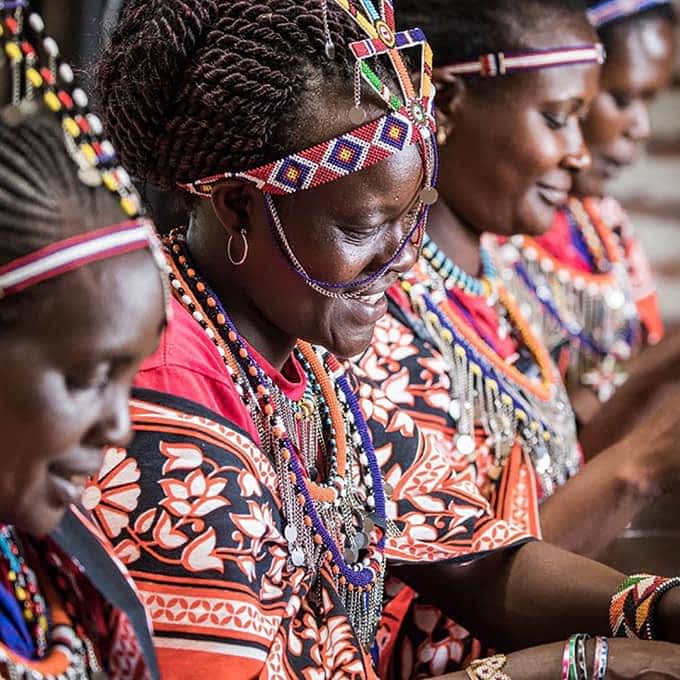
Clothing and Jewellery: The Maasai tribe is one of the tribes with a unique dress code not only in East Africa but in Africa at large. They just wrap themselves with their black and red oral square red sheets, sometimes square blue. The ladies put more of the jewelry made up of local craft materials like beads, wood, clay, or bone. These facts about the Maasai tribe make it easy for one to identify them wherever they are found.

Body modifications: No tribe can challenge the Maasai tribe in natural beauty and body modification. They use natural environmental materials to design themselves like creating holes at the eyes called ear piercing in the modern world. Children’s teeth are removed with a belief in reducing the regular sickness of the children.
Patriarchy: One of the unique facts about the Maasai tribe is that the elderly men are the final decision-makers. All important decisions at home or community are determined by the elder present at the scene. The ladies are considered to be housewives not allowed to participate in any decision making but only be involved at the housework.
The second in command are the young boys known as the Maasai warriors that keep the security of the clan, protection of the livestock at night and other strong activities. In the case of Marriage ceremonies or inter-village meetings, only men are called to attend.
Traditional dance and singing: The Maasai have their unique jumping dance where they nicknamed to be the first people to see tomorrow. They can jump very high when they enjoy happiness and celebrations at their own time at their homes. They are known in the throat-singing technique as they use mimic sounds that sound like eerie cattle call.
Maa Language: The Maasai local language is called Maa which has over 30 contrasting sounds in the modern toning. The language plays a great role in unifying them together and also changing the moods of individuals in case of any disagreements among the members.
Cattle: The Maasai have a belief in them that all cattle in the world belongs to them, this makes them cattle rustlers and they want to get all that belongs to them as they believe. Their belief is rare in that they say cattle are God-given gift to them and other people want to steal away from them and if they steal from you they are just taking back what is theirs.
Their full life is their cattle, the richness of the clan or tribe or home is determined by the number of heads of cattle one has. Their traditional lives are pastoralists and its out of this that they are allowed to leave together with animals in the protected areas since all their livelihood is on cattle. They do little cultivation and no hunting completely as they prefer meat from their own cattle and other cattle products.
Religion: The Maasai people do not believe in God except few who are introduced to modernity and leave in towns but have their own gods they believe on. They call it Ngal which is a god of cattle.
Houses: Even if the Maasai history suggest that the Maasai are nomads but they leave in houses that are locally constructed. It is only in the Ngorongoro Conservation Area that the Maasai have built semi-permanent houses. The houses are constructed using mud, grass, sticks, and cow dung and they are constructed by women. They leave in corals where a home is fenced by local materials especially thorns which acts as a guard from the wildlife.
The facts about Maasai tribe make them more unique and great tourist attraction to Africa especially Kenya and Tanzania.
Accommodation in Masai Mara: For every remarkable wildlife Kenya safari experience, accommodation facility plays the greatest role. Accommodation in Masai Mara National Park caters for all the budgets of the guests from Budget clients to Mid-range and finally luxury guests. The guest goes relax at the lodge after long day activities, the accommodations are located both inside the reserve and others outside the Reserve. Camping tents are available with different tour operators. Other tour destinations include Uganda safari.
Accommodations in Masai Mara National Reserve are very spacious and comfortable for travelers who want to explore the wildlife in Kenya. Masai Mara National Reserve is located in the southwestern part of Kenya in Narok county. This reserve is also known for its amazing wildlife viewing. There are different accommodation facilities in this reserve which provide lodging for tourists as they explore the reserve.
Tourists visit this destination to see different wildlife species and to engage in a number of activities and to see the different attractions around the Masai Mara reserve. The choice of which accommodation facility to stay in depends on different factors.
The factors which tourists consider when choosing the accommodation facility in the Masai Mara National reserve include location, service quality, food preferences, security and safety, comfort, prices of the rooms, rooming types among others.
The location of the accommodation facility is a very important aspect when choosing an accommodation facility in that the accommodation should be convenient for the tourist as they engage in different activities such as game viewing.
Service quality at the accommodation facility looks at the nature of the services which the different service providers at the accommodation facility offer to the tourists. The quality of services also looks at the timeliness of service providers, how they handle customer complaints among other qualities.
Food preferences of the tourists also ensure that tourists get the type of food they prefer such as international food, local food. It also looks at the presentation of the food, cleanliness when preparing the food among other factors.
Security and safety is an important aspect when choosing the accommodation facility. Tourists should be able to enjoy their safaris without worrying about the safety of their luggage and their own safety as they engage in different activities and see different attractions.
Comfort is also very important when choosing the accommodation facility.
Price of rooms is also important since this determines whether the tourist will be able to afford the accommodation facility or not during their Kenya safaris.
Types of the rooms is another important aspect since tourists sometimes prefer to stay in specific rooms during their safaris. Types of rooms at the accommodation facilities include single rooms, double rooms, deluxe rooms, triple rooms among others.
Accommodation facilities in Masai Mara reserve consists of different categories which includes luxury accommodation, mid-range accommodation and budget accommodation.
Tourists can also opt for camping at the different campsites which are designated within the Masai Mara reserve. The campsites for tourists visiting this reserve are both private and public.
The accommodation facilities are located in different parts of the reserve which includes the northern expanse, the eastern part, the southern, western and central parts of Masai Mara reserve. These parts of the reserve are also made up of private conservancies.
Tourists who stay in accommodation located in the conservancies have an advantage of engaging in some activities which may not be allowed in the reserve such as night game drives.
The private conservancies around Masai Mara reserve also favor tourists who prefer less tourists during their safaris. This is because of the limitations which are put in place in the conservancies in regards to the maximum number of guests, vehicles and rooms.
Another advantage of staying in the private conservancies around Masai Mara National Reserve is that they are in proximity to the reserve itself, making it convenient and easily accessible for safaris and engaging in different activities within the reserve.
The land owners around the Masai Mara reserve have agreements with the owners of the lodges which restrict some activities on their land such as grazing, housing and agriculture. These terms and conditions in the agreements have promoted conservation of the natural habitat of the wildlife species.
The landowners also benefit from the revenue generated from the lodges, conservation fees as well as from leases. The tourists are also given access to the conservancies in order to engage in different activities such as game drives, nature walks and cultural visits.
Accommodation facilities in Maasai Mara National Reserve
The northern part of the Maasai Mara reserve is made up of the different conservancies such as Mara north conservancy, Olare Motorogi, Mara Nyaboisho, Ol choro Oiroua, Ol Kinyei and Lemek conservancy. These conservancies offer different accommodation facilities for tourists as well as amazing game viewing experiences.
Accommodation facilities in the northern part of the Maasai Mara reserve include Luxury accommodation, Midrange accommodation and budget accommodation.
The accommodation facilities in the northern part of the Masai Mara reserve include Ngare Serian, Royal Mara Safari Lodge, Speke’s Camp, Mara Plains Camp, Kicheche Bush Camp, Loyk Mara Camp, Ol Seki Mara Camp, Naboisho Camp, Ngerende Island Lodge, Fairmont Mara Safari, Porini Mara Camp, Enkerende Tented Camp, Mara River Lodge.
The local communities also benefit from the revenues generated from these accommodation facilities in the reserve through the different projects in health, education, employment in the accommodation facilities among other benefits.
The accommodation facilities in the eastern part of the Maasai Mara reserve also include the accommodations in the Siana conservancy. The accommodation facilities include Mara bush top for luxury clients. The boutique camp offers accommodation with an African inspired interior for a taste of the African culture.
Other accommodation facilities in the eastern part of the Masai Mara reserve include the Leleshwa camp, Entumoto safari camp, Tipilikwani Mara camp, Fig tree camp, Mara leisure camp, Siana springs camp, Ilkeliana Camp among others.
Tourists visiting the southern parts of the Masai Mara reserve can stay in the accommodation facilities such as Cottars bush villa, sand river Masai Mara camp, Sala’s camp, Enkewa Mara camp among other accommodations.
Accommodation facilities in the western part of the Masai Mara reserve include Bateleur camp, Kichwa tembo tented camp, Sanctuary Olonana camp, Mara Siria camp, Angama mara, Kilima camp, Mara Engai wilderness lodge among others.
Tourists staying in the western part of the Masai Mara reserve enjoy seeing the beautiful landscape of the Masai Mara plains, Oloololo escarpment, the Mara river and the Mara triangle.
The accommodation facilities in the central part of the Masai Mara reserve include the governor’s il Moran camp, , Mara Ngenche safari camp, Rekero camp, Sentinel Mara camp, Entim camp among others.
Tourists staying in the central part of the Masai Mara reserve experience amazing wildlife viewing activities as well as the wildebeest migration which can be seen as the thousands of wildebeest cross the Mara river.
Access to the Masai Mara reserve can be through different means such as by road and air. By road, tourists can drive from Nairobi via Narok to any of the entrance gates in the reserve.
Entrance gates in Maasai Mara reserve include Oloololo gate, Oloolaimutia gate, Sekenani gate, Talek gate and Musiara gate.
Some of the lodges in Maasai Mara reserve also have airstrips which offer flights to tourists who have safaris to the reserve. Airstrips in this reserve include Shikar airstrip, Ngerende airstrip, Musiara airstrip, Ol Kiombo airstrip, Keekorok airstrip, Sian springs airstrip, Maasai Mara Serena airstrip, Kichwa Tembo airstrip, Maasai Mara cottars, Olare Orok airstrip among others.

Wildlife species which can be seen in the Masai Mara reserve include lions, leopards, buffalos, rhinos, elephants, giraffes, wildebeest, hartebeest, waterbucks, reedbucks, zebras, hyenas, warthogs, oribis, cheetahs among others.
Tourists can also interact with the local community of the Masai who are inhabitants of the reserve. The Masai people have a unique culture that has attracted many tourists to know more about their way of life, see the local arts and craft work, watch traditional dance performances, visit the “manyattas” among other cultural encounters.
Activities which tourists engage in during their safaris to Masai Mara reserve include nature walks, cultural visits, game drives which take place in the morning and in the evening, bird watching among other activities.
Stay in the best hotels and lodges in the wild as you explore the wilderness and enjoy the beauty of nature in the Masai Mara National reserve and also enjoy viewing the different wildlife species at this destination.
TOP 5 PLACES TO STAY DURING THE ANNUAL WILDEBEEST MIGRATION IN KENYA
The annual wildebeest migration is one of the 7 wonders in the world and the greatest wildlife migration ever witnessed on earth , in the migration millions of wildebeests accompanied by thousands zebras, Thomson and grant’s gazelles move in the Mara-Serengeti ecosystem following an old route in their search for green pastures and water.
The annual wildebeest migration happens in Kenya and Tanzania, specifically in Maasai Mara National Reserve and Serengeti National Park. The migration is one of the most sought event in the wildlife world and while on a Kenya wildebeest migration safari. Here are the top 5 places to stay at to watch the migration.
ROYAL MARA SAFARI LODGE
Royal Mara Safari Lodge is one of the top 5 places to stay during your wildebeest migration safari in Kenya, this lodge is located is situated directly on the wildebeest migration route and sited in the Siria Escarpment. Royal Mara Safari Lodge is located in the Mara North Conservancy where you get to watch over 2 million wildebeests, gazelles, gazelles and zebras bravely cross the waters of Mara river infested with deadly Nile crocodiles as they cross over to the lush plains of Maasai Mara and the Mara North Conservancy.
Royal Mara Safari Lodge has a total of 8 luxury and spacious guest suites situated with river frontage, these suites feature flush toilets, bidets, twin basins, luxury showers, hot water and electricity. These river guest suites also have Maasai carpeting, colonial antiques and African artifacts such as a wardrobe, cabinet, a writing desk, safe deposit box and a sitting area. Each of the river guest suite has a total area of 110 square meters consisting of a sleeping area of 36 square meters, a bath facility of 22 square meters and a veranda of 52 square meters.
Facilities at Royal Mara Safari Lodge include dining and bars, meals are served in the large canvas dining tent with magnificent view of the surrounding scenery. Breakfast is served in the bush or by the hippo pools. Lunch is served in camp, BBQ by the river and dinner is served in the dining room.
KICHWA TEMBO CAMP
Kichwa Tembo Camp is an intimate safari camp offering an out of Africa safari experience in Kenya, the camp is situated in the heart of Maasai Mara sprawling along the Saparingo River on the edge of the Oloololo escarpment. Kichwa Tembo camp is situated in the seasonal path of the great wildebeest migration where the riverine forest meets the sweeping plains.
Kichwa Tembo Camp is set on a private concession with abundance of iconic wildlife and panoramic Maasai Mara views, this camp is one of the top 5 places to stay during your annual wildebeest migration safari in Maasai Mara national reserve.
Kichwa Tembo Camp consists of 12 classic tents, 20 superior tents and 8 superior view tents offering a comfortable stay during wildebeest migration safari. These tents are laid out in immaculate grounds with timeless interiors (simple, sophisticated and stylish), wildlife species such as warthogs are usually outside the tent feeding which adds on to your experience at the camp.
Kichwa Tembo Camp was made famous who stayed at camp during the filming of “out of Africa” film, the camp features a swimming pool, a fine dining restaurant, a bar and a camp fire. Kichwa Tembo Camp offers entertaining activities such as game drives in both Maasai Mara national reserve and the concession, bush walks along the Mara River or Oloololo Escarpment, hot air balloon ride over the vast rolling plains of Maasai Mara, cultural village tours and Massages.
LITTLE GOVERNOR’S CAMP
Little Governor’s camp is an intimate getaway in Kenya located on the edge of the Maasai Mara national reserve a popular Kenya safari destination, the camp is one of the best places to stay while on safari in Kenya to watch the annual wildebeest migration. Little Governor’s Camp is tucked in a riverine forest and is accessed by a very short boat ride across the magnificent Mara River and a quick escorted walk through the Riverine forest.
Little Governor’s camp consists of 17 luxury en-suite tents tucked along a large watering hole teeming with both birds and wildlife which can been seen from your tent, the beautiful tents feature wooden decks with large verandahs ideal for game viewing around your tent. The camp is situated close to the Mara River with magnificent views across to the Oloololo escarpment.
Little Governor’s camp’s facilities include Mess tent with bar overlooking the waterhole, dining tent, souvenir shop and reception. At the camp, Spa treatments are offered and done within the comfort and privacy of your tent.
MARA SERENA SAFARI LODGE
Mara Serena Safari Lodge is a 2021 Trip Advisor Traveller’s choice winner and one of the top 5 places to stay during your wildebeest migration safari in Kenya, Mara Serena Safari Lodge is located at the center of the Mara Triangle of Maasai Mara national reserve and is set on a hill overlooking the African Savannah and Mara River.
Mara Serena Safari Lodge offers a ring seat to the Great migration and magnificent views of the savannah plains and Mara River filled with hippos, the lodge is a perfect place to watch the Mara river crossing which is the centre stage of the annual wildebeest migration and the most dramatic stage of the migration. In the Mara river crossing, the migrating herds attempt to cross the River and facing off with crocodiles in the river and predators on the banks of the river.
Mara Serena Safari Lodge has a total of 74 guest rooms including suites, these rooms were inspired by a traditional Maasai Manyatta and they offer magnificent views of Sweeping Mara River and savannah views. Accommodation at Mara Serena Safari Lodge are adorned in swirling patterns reflecting the colors and shapes of the bush, the rooms feature Maasai inspired design motifs, king or twin beds, mosquito curtaining and en-suite marble bathrooms with walk in showers.
Contemporary amenities in these rooms include complementary internet, television with satellite channels, ceiling fans/air conditioning and ironing facilities. Facilities at Mara Serena Safari Lodge include a swimming pool, bar, restaurant, reception services, BBQ facilities, wellness services, shared TV lounge among others.
KICHECHE MARA CAMP
Kicheche Mara Camp is a photographer’s paradise and one of the best places to stay during your wildebeest migration safari in Kenya’s Maasai Mara National Reserve, Kicheche Mara Camp is a tented camp situated in the Mara North Conservancy which is a 74,000 acres of community-owned wilderness.
Kicheche Mara Camp is a charming and intimate camp with comfortable tents overlooking the Olare Orok stream in the acacia valley, the camp consists of naturally colored canvas tents connected by stone paths and surrounded by stone paths and uncut vegetation where the wildlife roam freely.
Kicheche Mara Camp offers comfortable accommodation in tents situated in secluded positions overlooking the plains and nearby hills, these tents are categorized as trip, quad and family tents. Each of the tent is comfortably furnished and have en-suite bathrooms with flushing toilets. Kicheche Mara Camp is a very popular spot for photographers flocking to the camp to take amazing pictures of nature and wildlife, including the wildebeest migration.