
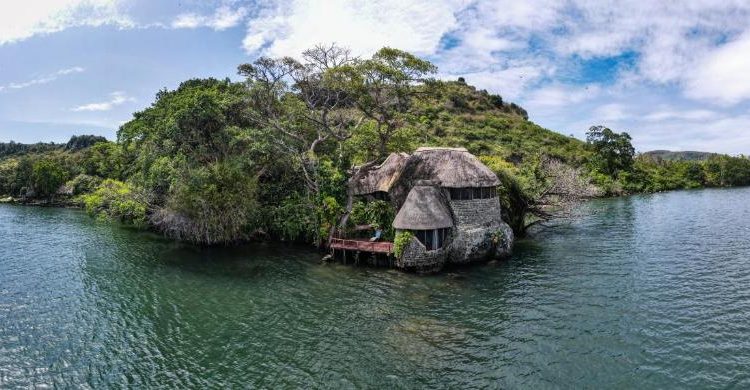
Best reasons to visit Kenya for your next vacation
Best reasons to visit Kenya for your next vacation : Kenya is one of the most unique and beautiful places in Africa, and Focus East Africa Tours will take you to the best places in the country. Sustainable tourism and a model for managing wildlife that is known around the world mean that you can see untouched wilderness and internationally important habitats where rare and endangered species, as well as the Big Five, walk freely. Visit Kenya and see everything that Africa has to offer.
Kenya has been a place of mystery and excitement since the beginning of time. It has miles of white sand beaches, dense forests, and different deserts. Mount Kenya and other famous landmarks rise above the savannah fields and tropical forests, and the country’s beautiful waterfalls are hidden in the foothills of the mountains. Cool air from the Indian Ocean can be felt in the many coastal towns and islands of the country. Kenya gives you an African dream trip of a lifetime, from its highest mountains to its deepest ocean depths.
- Heaven of the Great Wildebeest Migration in Africa.
Kenya’s Great Migration is like a real-life nature video on a Kenya safari. As you move through Maasai Mara National Reserve from July to October, you will see a lot of land. You don’t move your eyes as your excitement grows. What a beautiful scene waiting. As your safari car gets closer to the source of the noise in the sky, you can feel the ground shaking a little. Out of the dust, the huge forms of wildebeests start to appear all at once. The fields are filled with hooves, gray-black fur, white beards, tails, and short manes.
As you walk by the group, you’ll see flashes of black and white. These are zebras. If you go in the same way as them, you’ll see the same animals grazing on grasses of different shades of emerald green. As your guide slowly gets closer to the animals, the Mara River, a unique feature, can be seen just over the top of a hill.
Your guide takes you to a great spot from which you can see the Mara River, which is not far away. You can feel the energy in the air. Dozens of wildebeests stand on a ledge just above the river, kicking and grunting as they wait. As you think about why they aren’t sure, you look at the water.
The huge amount of water rushing by makes even the strongest wildebeests face a dangerous task. You also see some sneaky animals, like crocodiles that move slowly through the water, waiting for their food to come to them. When the wildebeests are getting antsier, you know it’s almost time. The first gnu falls off the ledge without any notice. Its body twists and turns as it falls. It makes one last daring leap and lands in the dirty water of the Mara River.
The animal crosses the river all by itself, its eyes wide with fear. Thousands more wildebeests follow in a rush, turning the river into a chaos of splashing water, drowning calves, and fierce predators like crocodiles fighting with food and fighting with each other. Hundreds of dead animals that were too weak or slow to make the crossing end up in the river, where huge birds start to eat them.
But when you see a mother helping her tired calf up the slippery slope on the other side of the river, your heart fills with joy. Just as quickly as they started crossing, the wildebeest herd disappears into the distance on their never-ending trip to Kenya’s richest grazing grounds.
- High Density & Assorted Wildlife Experiences in National Parks & Reserves.
Kenya is one of the best places to see wildlife in the world on a safari. It has some of the largest and most diverse wildlife groups on Earth in its parks, reserves, and private conservancies. Your African dreams come true as you travel through vast landscapes soaked in soft morning light. Visit the grassy fields and swamplands of Amboseli National Park to see elephants against the tall Mount Kilimanjaro on the border of northern Tanzania. This is one of the most famous scenes in Africa.
These beautiful animals are surrounded by giraffes, buffalos, zebras, hippos, warthogs, and many other mammals. Masai Mara National Reserve has a lot of animals that eat other animals. Lions, leopards, cheetahs, and other strong hunters eat local prey animals all year long, and when the wildebeest migrate, the plains get even more food.
In northern Kenya, Laikipia has the second-highest number of animals, including the Big 5 (elephants, buffalo, rhinoceroses, lions, and leopards). “Samburu Special Five” are Somali ostriches, Grevy’s zebras, reticulated giraffes, Beisa oryxes, and gerenuks. You can see them all in Samburu National Reserve. In Tsavo East and West National Parks, lions, hyenas, and cheetahs without manes hunt gazelles, elands, impalas, and other small animals while hiding in tall grasses.
- World-Class Birding at Kenya’s Great Rift Valley Lakes.
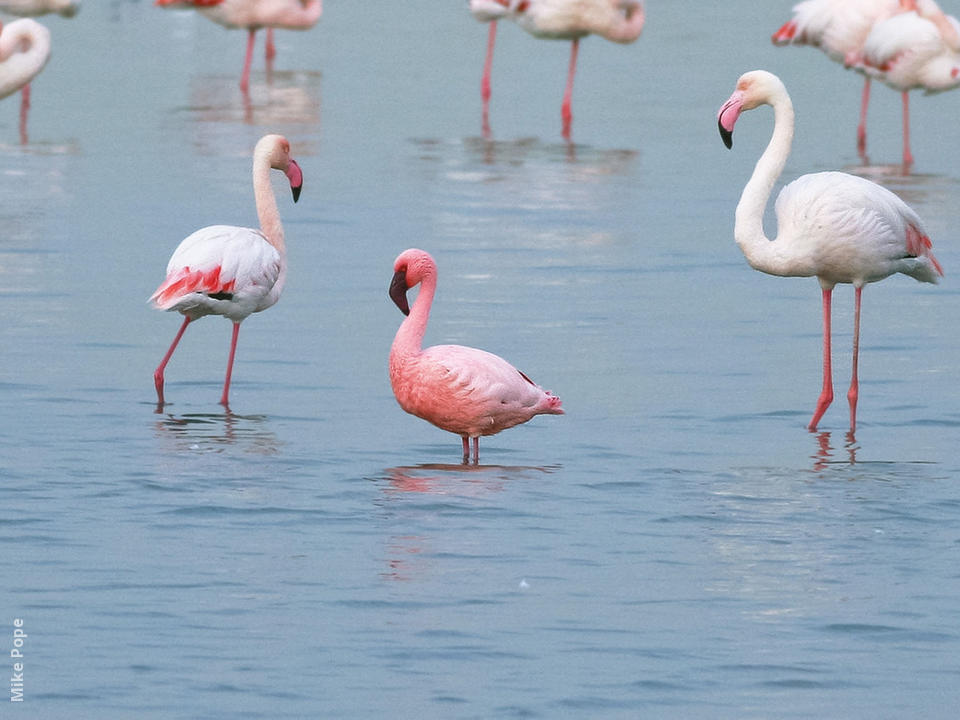
Kenya’s wetlands and lakes in the Great Rift Valley are important habitats that are home to some of the world’s most beautiful and varied bird and animal species. Stand on the shores of Lake Nakuru, a famous alkaline lake where millions of flamingos meet to eat more than 250,000 kilograms of algae that gives them their bright pink feathers.
There is one of the highest concentrations of long-crested eagles here, as well as cormorants, goliath herons, African fish eagles, pink-backed pelicans, and other speckled birds. These are just a few of the more than 450 species that have been recorded. Lake Bogoria is another lake in the Great Rift Valley. With over 373 bird species, it is one of Kenya’s most important bird areas.
Millions of Lesser and Greater flamingos come to the lake like they do to Lake Nakuru, but the eagles steal the show in fresh water lakes like Baringo. Powerful hunters with wings fly high above you and look for fish and other food in the water. A tawny, steppe, or fish eagle swoops down and grabs a moving meal with its huge claws in a flash.
- Experience Kenya’s Pioneer Private Conservancies.
Kenya has been able to protect its wildlife and forests in large part because of the private conservancies that surround its national parks and reserves. The preserves protect important ecosystems and migration routes that would be lost otherwise. You can go on safari in these secret areas where you can only do things that can’t be done anywhere else. You could almost always find something interesting.
The conservancies that circle Maasai Mara take you to parts of the ecosystem that are far away and don’t have many camps or guest vehicles. Go out at night to see a group of lions eat what they caught during the night, and watch the cute things bush babies do in the wooded outback. Walk through the bush with a Maasai fighter to find signs of animal activity, such as animal poop, tracks, dead animals, and places where animals sleep. As you explore the tiny world of flowers and bugs, you hear old stories and learn how plants can be used to heal.
You can even hike to a quiet spot in a conservancy and fly camp among the wildlife and nature, or you can take a hot air balloon ride over the plains! Your exciting trip through Kenya continues at private conservancies from Lewa in the east to Mugie in the north in Laikipia. Imagine taking a horse or a camel into the middle of the Kenyan desert. From the seat of a biplane, you can see the plants, animals, and landscape. You can also take a chopper to a remote spot to camp for the night.
If you want to stay in shape, you can mountain bike through the grassland, where giraffes, elephants, zebras, rhinos, different types of antelopes, and other animals graze and look for food. In Borana Conservancy, you can climb up Mount Kenya and ride a quad bike for even more action-packed fun.
- Enlightening & Experiential Experiences with Kenya’s Fascinating Cultures.
Cultural tours in Kenya let you meet Maasai, Samburu, Swahili, Turkana, Pokot, El Molo, Rendille, and other tribal people up close and in person. We set up real trips to villages that go beyond just following a script. You take part in the ceremonies and practices of the native tribes.
Imagine being taken to a real Maasai wedding, a Swahili family’s home in Lamu to help make a coastal meal, and a Samburu village to learn how to make intricate beaded chokers from the women there. The Samburu are closely linked to the Maasai. They live in Samburu, Shaba, and Buffalo Springs wilderness in northern Kenya, near the foothills of the Koitogor-Ololokwe Mountains.
The rural setting and semi-nomadic way of life give people and animals a chance to live together in the wild. When you go on a beach vacation in eastern Kenya, you can meet Swahili people. Traditional Swahili music, called “taarab,” fills the narrow streets of Lamu, an island off the coast of Kenya. As you walk through the streets, you can see many signs of Swahili culture in the buildings.
Ask the people selling art in the small markets about how they made it. Swahili people use art and craft as a way to show who they are. As natives, we can give you a lot more information about Kenya’s interesting cultures and set up events that will help you get to know these and other ancient people on a deep and personal level.
- Barefoot Escape to Kenya’s Turquoise Waters, White Sand Beaches and Isolated Islands.
The shores and islands of Kenya are the stuff of dreams. Kenya has long stretches of white sand beaches that are washed by the warm, turquoise blue seas of the Indian Ocean. Small islands like Funzi, which are just off the South Coast, are a quiet place to get away from the busy modern world. Lamu Island is a beautiful mix of buildings from the 1300s where time has stopped.
The north and south beaches of Mombasa give you a taste of what it’s like to be on an interesting island and a seaside town. Mombasa is like a different world when you leave the coast and go into the city. As you walk by Swahili homes with winding streets, markets, mosques, churches, temples, and other buildings with fine Arabian architectural features, you can smell exotic spices in the air.
Watamu has unique coral patterns in different bays, and Kilifi is known for the Mnarani Ruins, which were built between the 14th and 17th centuries. Kenya has a lot of islands in the Indian Ocean. Kiwayu, Lamu, Manda, Chale, and Funzi are all great places to spend a beach safari in Africa. One of Kenya’s best-preserved Swahili villages is on the islands of Lamu, which makes your time in East Africa even better.
Not only are these places rich in history, but they also offer a great holiday for everyone. Kenya’s Indian Ocean beaches and islands have something for everyone, from people who like to relax on the beach to people who like to explore the seabed or fish in the deep sea.
- Immerse Yourself in Kenya’s Underwater World.
The Kenyan Barrier Reef is the second largest coral reef in the world. With more than 140 miles of reef running from Shimoni in the south to Malindi in the north, there are many places in equatorial Africa to go on the perfect marine exploration trip. We have the skills you need to find the best coral wildernesses, and there are almost too many great dive and snorkel places to choose from.
From the relaxing Kisite Marine Park of Mako Koke to the deep wall at Nyuli, Kenya has scuba diving spots for all levels, from beginners to experts. Imagine diving in an ocean tunnel with manta rays and white-tip reef sharks one day and in a coral garden the next day, where it’s easier to see fish.
When you just want to float on the water’s surface, Mombasa Marine Park and Kisite Mpunguti Marine Park are great places to watch snapper, zebra fish, scorpion fish, and other fish swim in and out of the strange and colorful coral gardens. Kenya is one of the best places in the world for fishermen to go deep sea fishing. Dorado, yellowfin tuna, trevally, and wahoo, which move very quickly, keep beginner and intermediate anglers busy. But if you are an experienced fisherman, Kenya gives you the chance to catch huge billfish like black, striped, and blue marlins, sailfish, swordfish, and others.
- Discover Ancient Artifacts from the oldest humans on the planet.
Archaeologists, paleoanthropologists, and palaeontologists from almost every part of the world come to Kenya to look for the oldest human artefacts. Now you can go to the same places that are known all over the world and maybe find your own clue to ancient human history. As a UNESCO World Heritage Site, Lake Turkana is known for its important contributions to archaeology and has been called the “Cradle of Mankind.” One site, the Kobi Fora section, has done more for paleontology than any other place in Africa, with some artefacts that are more than 3 million years old.
Mfangano Island in Lake Victoria is home to another well-known ancient site. Inside Mawanga Cave, drawings on rocks that are thousands of years old can be seen in the soft light. Lewa Wildlife Conservancy has another great example of rock art from a long time ago. Some of the drawings are 1,000 to 3,000 years old, which makes them some of the oldest in Kenya. The rose-colored stone has a design of circles and lines that will be very interesting to you.
- Kenya – An Unrivaled Land Of Contrast and Diversity.
The first Africans who went to Kenya found romance and excitement there. Now you can write your own great story by following in their ways. Will you go into a fort in Mombasa or Lamu where guards were standing ready to defend key spots? Will you study old buildings that show how many different tribes have lived in Kenya? Will you climb Mount Kenya to see how strong you are? Will you help people in Laikipia find lions and other big predators?
No matter how you spend your time, Kenya is a land of contrasts and variety with volcanic landscapes, wide open savannah plains, majestic mountain peaks, winding rivers, deep Blue Ocean, thick forests, white sand beaches, interesting woods, lush wetlands, vast deserts, and so much more!
As you travel through the country, you can see some of the most beautiful animals in the world. There are lots of fish and marine life living in coral reefs, small reptiles and amphibians hopping around on the ground, small and large mammals foraging and hunting, and amazing birds of every shape, size, and colour. Kenya is your dream place to visit in Africa, whether you want to see the “Big Five,” find rare and threatened species, meet people from ancient, strange cultures, or walk into the depths of Gedi Forest to find ancient ruins.
- Kenya Is Perfect In Every Way.
Kenya’s wilderness is home to some of the most valuable environments in the world, and the country and its people are dedicated to managing wildlife in the best way possible. This is clear from the fact that private conservancies have been set up to help out government-run parks and forests. Kenya has shown the rest of the world a new way to protect wildlife by working with local landowners to find methods that help both sides. One example is the agreement between Maasai and Samburu landowners of different conservancies in Laikipia.
Ecotourism helps keep these efforts going and makes sure that Kenya’s land, animals, and people will be around for future generations. Kenya is very different because it has so many different kinds of scenery. As you move from the north to the south of Kenya, the minor changes in the landscape are mesmerizing. Even if two places are in the same part of Kenya, like Samburu and Laikipia in the north, they can have different ecosystems. Mount Kenya is in the middle of the country, and the Indian Ocean is a cool place to relax in the east.
Lake Victoria, the biggest lake in Africa, is the source of the great Nile River in western Kenya. To the southwest is Maasai Mara National Reserve, where the Great Migration of animals takes place from July to October. Kenya has so much to see and do that you will spend a lot of time outside. Kenya’s tropical climate gives you a pleasant time there, with temperatures that are not too hot or too cold. Even when it rains or doesn’t rain, you can see different things, like animals grazing on open fields or mammals giving birth to their young.
The weather is a perfect mirror of how friendly, warm, and welcoming the people of Kenya are during every step of your Kenya Safari. Kenya has a wide range of places to stay in camps that are all very nice. Also, these Kenyan accommodations are cheaper than those in other parts of Africa, but they are of a very high quality. Even the food is delicious. A lot of it is based on local meals and uses organic, locally grown fruits, vegetables, meats, and dairy. Arabia, India, and other places also add to the taste of Kenyan food in their own ways.