
Laikipia Plateau Safari Kenya
Laikipia Plateau Safari: Laikipia might not be as famous as the Masai Mara National Reserve or Amboseli, but it is a very rewarding destination for seasoned safari-goers looking for something a little off the beaten track without compromising on wildlife sightings or comfortable accommodation.
Named after the Laikipia tribe, a Laikipia Plateau Safari ethos can be narrowed down to low visitor numbers, limited accommodation, and a more exclusive experience. Traveler numbers are carefully controlled, and the survival of species like rhinos, wild dogs and Grevy’s zebras is paramount; huge sums of money and security measures are invested in their safekeeping. Laikipia is truly a place where you can feel your safari dollar goes straight back to the wildlife.
As you plan to visit Kenya for a Laikipia Plateau Safari, here is what you should expect.
Conservation, Adventure and Wildlife all in one
Laikipia and Lewa Wildlife Conservancy where once home to massive livestock ranches, now they are Kenya’s premier places to see white rhinos and black rhinos, thanks in part to those same ranches converting much of their land into successful conservation projects.
Also, this is a great place to learn more about chimpanzees, which find refuge and shelter at the Sweetwaters Sanctuary in Ol Pejeta Conservancy.
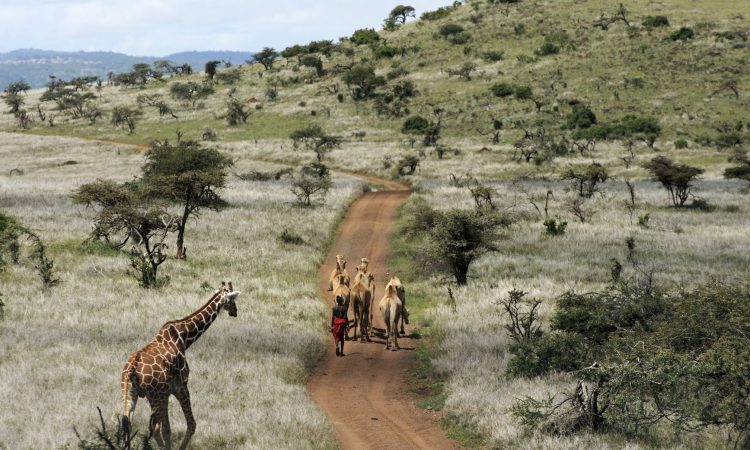
With unusual safari activities like climbing Mount Kenya, camel trekking, and add flips in a vintage open-cockpit biplane, Laikipia is made for adventurous travelers.
Is Laikipia Worth Visiting and Why?
When compared to other Kenyan safari destinations, Laikipia may seem small or insignificant. The truth is, while Laikipia may be smaller and less well-known, it offers a myriad of fantastic reasons to visit.
Fewer Crowds and Safari Traffic
While most travelers opt for Kenya’s safari giants, step into a slower, more relaxed, and less crowded experience in the Laikipia Plateau. With fewer camps and lodges, and lower levels of safari traffic, sightings are all yours and sometimes yours alone to enjoy.
Enjoy Unique Activities
Laikipia Plateau is made up of privately and community-owned land alongside some government-owned land, enabling guests to uncover their surroundings from several perspectives. Accompanied by expert guides, set out on foot for comprehensive walking safaris and feel the rumble of 4×4 game drives. Because of the region’s waterways, cruising along in a canoe is a thrilling way to gain a new perspective of the region.
Because of the privately owned land, game drives are not always restricted to established paths and trails, and off-road driving is permitted, adding an extra layer to the experience. Also, this means that night drives are often permitted in the area. For those with a serious interest in the wild side, mount a trusted steed—either horse or camel and venture into the bush.
Striking, Varied Landscapes
The south of Kenya near the border with Tanzania – where the Masai Mara lies—is generally open savannah. Laikipia is centrally situated within the country and features a more arid hilly landscape with scrub vegetation. Most of the lodges are perched on the ridge of the Laikipia Plateau, affording visitors sensational and completely unfettered views of the scrubby plains below. Settle on the deck at sunrise with a rich cup of Kenyan coffee and observe as wildlife emerge at first light.
Lewa Wildlife Conservancy region of Laikipia is slightly different. There are more hills (Mount Kenya is nearby), less scrub, more grazing, and occasional swamps peppered with fever trees or acacias. Lewa Conservancy runs a successful conservation project for rhinos, and Prince William is a regular visitor, apparently helping out with rangers and spending the whole day on safari in this beautiful area.
Wildlife to See in Laikipia
Undoubtedly, the black leopards are one of the most sought-after sightings in Laikipia. Despite their alternative appearance, black leopards are not a separate species from those you know and love, but simply a melanistic version of them.
Though Laikipia is the best place to see black leopards, they are remarkably elusive except for one: Giza Mrembo, meaning “the beautiful darkness” in Swahili, who is more comfortable and willing to emerge from hiding.
Laikipia is also perfect African wild dog territory, but a wide range of other species thrive there too. Every member of the Big 5 is also present in the area, including the endangered black rhino (in fact, half of Kenya’s rhino population resides here) as well as other classic big game.
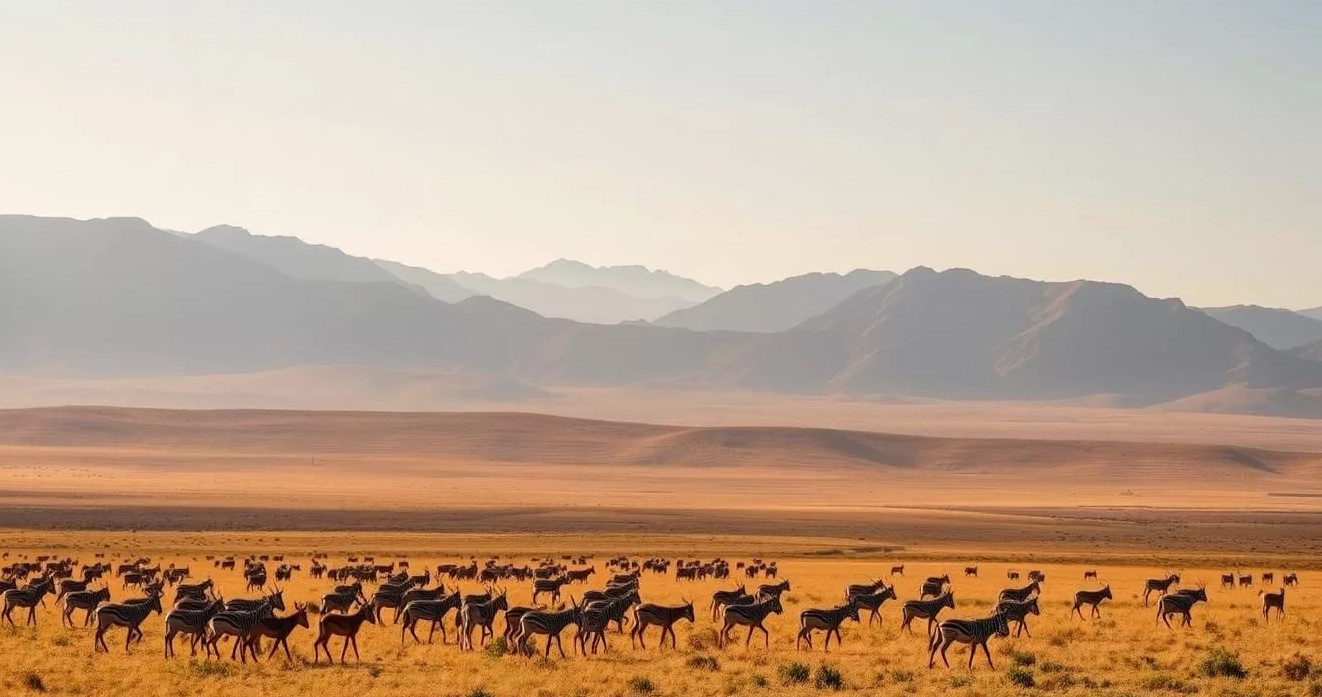
While exploring Laikipia, be sure to look for Grevy’s zebra. These are different from their cousins on the plains and in the mountains by having thinner brown stripes instead of black, white muzzles and white underbellies (their stripes do not meet on their tummies).
Nearby hunted and traded into extinction, Grevy’s are still on the endangered list, and it’s a privilege to spot them. While exploring, look out for reticulated giraffes and their distinctive coats as well as the unique vulturine guinea fowl.
Also, it is important to note that there are specific guidelines around viewing of Giza, her cubs, and any other black leopards in the area. The guidelines place a high emphasis on ethical sightings, and all visitors should respect them.
Best Time to Visit Laikipia?
The dry seasons are the best time to visit Laikipia; these months enjoy warm weather and drier conditions, which encourage wildlife to seek perennial water sources and make it easy to see them. As the most popular safari season, this period also means greater crowds and often more expensive fares.
Peak dry season in Laikipia spans July to October and then again from January to February. Many visitors opt for shoulder season months—March, June and December—to avoid peak season.
Alternatively, you can choose to visit the Green Season. While it is not considered the best time to visit Kenya, as seasonal rains are present, the landscapes are lush, green, and undeniably striking. Wildlife may be a little more difficult to spot, but it is also a time of newborns and prolific bird life.
Being “off-peak” also means fewer visitors and favorable rates at various lodges. If this looks like a perfect time for you to visit, travel between April and May or later in November.