

Masai Mara National Reserve vs Conservancies: Which Is Better?
If you are planning a Masai Mara safari, one of the most important decisions is whether to stay in or around the Maasai Mara National Reserve or choose a camp in one of the surrounding conservancies.
Although both are part of the wider Mara ecosystem, they are not the same thing.
The Maasai Mara National Reserve is the famous protected wildlife area known for its open savannah, Big Five, Mara River and Great Wildebeest Migration. The surrounding conservancies are community-based wildlife areas that operate under different management arrangements and can offer a quieter safari experience and activities that are not generally available inside the Reserve.
So, which is better?
There is no single answer. The best choice depends on what you want from your safari.
If you want the classic Maasai Mara experience and direct access to the Reserve’s famous wildlife areas and migration viewing, staying in or close to the National Reserve can be a good choice.
If you prefer fewer vehicles, walking safaris, night drives and a more private experience, a conservancy may be better.
For many travelers, the best option is to combine both.
View Masai Mara Safari Packages
Masai Mara National Reserve vs Conservancies Overview
| Feature | Maasai Mara National Reserve | Mara Conservancies |
|---|---|---|
| Type | National reserve | Community-based conservation areas |
| Management | Managed under the reserve’s management system | Managed through individual conservancy arrangements |
| Classic game drives | Excellent | Excellent |
| Great Migration | Excellent, especially for Reserve and Mara River areas | Depends on location; Reserve access may be needed |
| Vehicle numbers | Can be higher in busy wildlife areas | Generally lower-density |
| Night drives | Generally not permitted | Often available where permitted |
| Walking safaris | Generally not permitted inside the Reserve | Often available where permitted |
| Off-road driving | Restricted by Reserve rules | May be permitted under conservancy rules |
| Privacy | Varies by area and season | Generally more private |
| Community conservation | Tourism contributes to the local economy | Direct landowner partnership and lease model |
| Cost | Reserve entry fees apply | Conservancy fees normally apply and vary |
| Best for | Classic Mara safari and migration | Privacy, specialist activities and lower-density wildlife viewing |
The exact rules, activities and fees vary between conservancies, so always confirm the current arrangements with your safari operator or accommodation before booking.
What Is the Maasai Mara National Reserve?

The Maasai Mara National Reserve is the famous major wildlife reserve in southwestern Kenya.
It is best known for its open grasslands, large wildlife populations, big cats, and the annual Great Wildebeest Migration. The Reserve forms part of the wider Mara-Serengeti ecosystem that continues across the Kenya-Tanzania border.
A classic safari in the Reserve usually focuses on daytime game drives and searching for wildlife such as:
- Lions
- Leopards
- Cheetahs
- Elephants
- Buffaloes
- Rhinos
- Wildebeest
- Zebras
- Giraffes
- Hippos
- Hyenas
- Many other species
The Reserve is also important during the Great Wildebeest Migration, particularly when large herds move into the Mara and cross the Mara River. Learn more about Maasai Mara National Reserve.
What Is a Masai Mara Conservancy?
A conservancy is a wildlife and conservation area outside the National Reserve, commonly based on land owned by local Maasai landowners and managed through partnerships involving landowners, conservation organisations and tourism operators.
The conservancy model helps keep land available for wildlife while providing income and other benefits to local communities. The Maasai Mara Wildlife Conservancies Association says the model is based on partnerships between landowners and tourism partners, with lease payments providing direct benefits to landowners.
There are several conservancies in the wider Mara ecosystem, including:
- Mara North Conservancy
- Naboisho Conservancy
- Olare Motorogi Conservancy
- Ol Kinyei Conservancy
- Lemek Conservancy
- Enonkishu Conservancy
- Olderkesi Conservancy
- Siana Conservancy
- Pardamat Conservation Area
- Other community conservation areas
Each conservancy has its own management arrangements, landscape and tourism partners, so the experience can be different from one conservancy to another. Explore the Maasai Mara conservancies.
What Is the Difference Between the Reserve and a Conservancy?

The biggest difference is that the National Reserve and conservancies are separately managed areas with different visitor rules and safari experiences.
This affects how you spend your time, what activities you can do and how crowded some wildlife sightings may feel.
Let’s look at the main differences.
1. Wildlife Viewing
Both the National Reserve and conservancies can offer excellent wildlife viewing.
The Reserve is particularly attractive if you want the classic Masai Mara experience: wide-open plains, large herds, big cats and access to famous wildlife areas.
Conservancies can provide excellent wildlife viewing too, often with fewer vehicles and a quieter atmosphere.
Wildlife does not follow the boundaries on a map, so animals can move between the Reserve and surrounding conservation areas.
Which is better for wildlife?
Both can be excellent.
Your location, season, guide and the wildlife movements on the day often matter more than simply choosing “Reserve” or “conservancy.”
2. Vehicle Crowds
Vehicle numbers are one of the biggest differences you may notice.
Popular wildlife sightings inside the National Reserve can become busy, particularly during peak migration periods and around well-known predator sightings.
Many conservancies operate with controlled tourism capacity and lower visitor density. This can create a more private feeling during game drives.
This is one reason why conservancies are popular with:
- Photographers
- Honeymooners
- Families wanting a quieter safari
- Travelers looking for privacy
- Repeat safari travelers
- Luxury safari travelers
However, lower vehicle density does not mean that every conservancy is always empty. Conditions vary according to the season, location and individual conservancy.
3. Night Game Drives
One of the biggest reasons travelers choose a conservancy is the opportunity for a night game drive where permitted.
Night drives allow you to explore the bush after dark and look for nocturnal wildlife.
You may encounter:
- Leopards
- Lions
- Hyenas
- Civets
- Genets
- Bush babies
- Porcupines
- Nightjars
- Other nocturnal animals
Night drives are generally not permitted inside the National Reserve, while some surrounding conservancies allow them under their own rules.
If a night drive is important to you, check that your chosen camp is located in a conservancy where the activity is permitted.
4. Walking Safaris
Walking is another major advantage of some conservancies.
Inside the National Reserve, normal safari activities are centered around vehicle-based game viewing.
Some conservancies allow guided walking experiences, subject to their own rules and safety arrangements.
A walking safari gives you a completely different perspective of the Mara.
Instead of simply searching for large animals, you can focus on:
- Animal tracks
- Birds
- Plants
- Insects
- Smaller wildlife
- Animal behavior
- The sounds and smells of the African bush
Walking safaris are especially appealing to travelers who want a slower and more immersive experience.
5. Off-Road Driving
Off-road driving rules can also differ between the National Reserve and individual conservancies.
Inside the Reserve, vehicles are expected to follow the applicable reserve rules and restrictions.
Some conservancies permit controlled off-road driving under their own management rules, particularly for wildlife viewing and photography.
This can be useful when following predators or positioning a vehicle for photography.
However, rules differ between conservancies, so don’t assume that every conservancy allows the same activities.
6. Great Wildebeest Migration
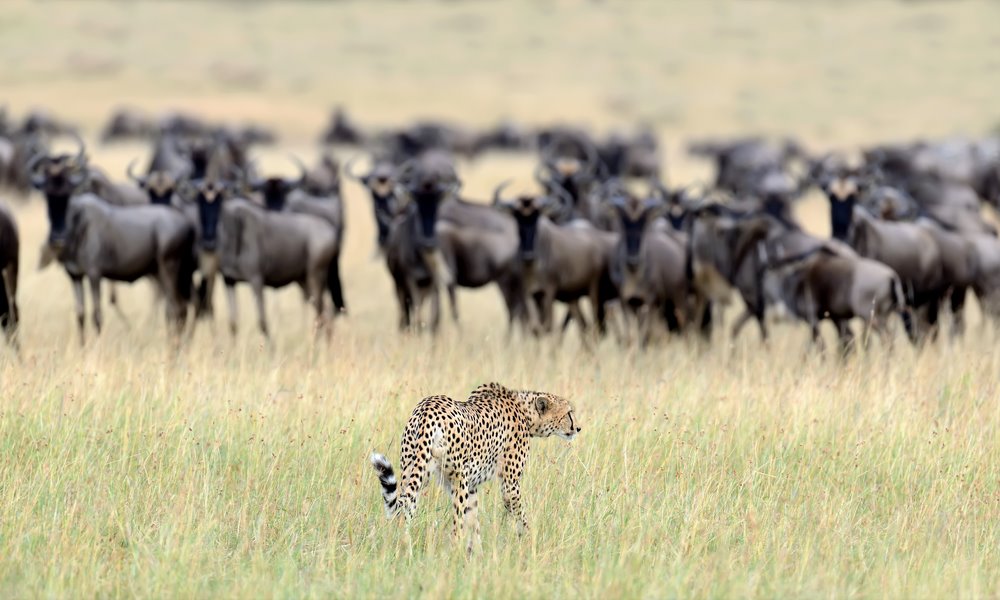 If the Great Wildebeest Migration is the main reason for your safari, where you stay becomes especially important.
The dramatic Mara River crossings occur within the Mara ecosystem and Reserve area.
A camp in a conservancy can still be an excellent base for a migration safari, but you may need to travel into the National Reserve for specific wildlife areas or river-crossing locations.
This can mean additional Reserve entry arrangements and travel time.
Which is better for the migration?
For travelers whose priority is the Mara River crossing, choose your location based on proximity and access to the relevant part of the Reserve rather than simply choosing a conservancy because it offers a quieter experience.
If your priority is the overall migration and wildlife experience rather than a specific river crossing, a conservancy can still be an excellent choice. Learn more about the Great Wildebeest Migration.
7. Safari Experience and Privacy
The National Reserve gives you the classic Mara safari experience.
You can explore large open plains, follow wildlife and visit famous areas of the reserve.
A conservancy can feel more private because visitor numbers and accommodation capacity are generally more controlled.
This does not necessarily mean that a conservancy has better wildlife.
It means the style of safari can be different.
Choose the Reserve if you want:
- Classic game drives
- Large open plains
- Migration viewing
- Access to famous Reserve areas
- A first-time Mara experience
Choose a conservancy if you want:
- Lower-density wildlife viewing
- More privacy
- Walking safaris
- Night drives where permitted
- A more exclusive safari experience
- Stronger direct community-conservation connection
Are the Conservancies Part of the Maasai Mara National Reserve?
No. This is an important distinction. The surrounding conservancies are not simply different sections of the National Reserve. They are separately managed conservation areas in the wider Mara ecosystem.
For example, Mara North Conservancy borders the National Reserve and is a major part of the wider Mara conservation landscape. It is a private wilderness area bordering the Reserve and operating through partnerships involving tourism operators and local landowners.
This means that a Reserve entry ticket should not automatically be assumed to cover entry into the conservancy, and conservancy fees should not automatically be assumed to include Reserve entry fees.
Which Is Better: Maasai Mara National Reserve or the Conservancies?
The answer depends on your safari priorities.
Choose the Maasai Mara National Reserve if:
You are visiting the Mara for the first time.
The Reserve offers the classic experience most people imagine when they think of a Masai Mara safari.
You want to focus on the Great Migration.
Especially if your priority is the Mara River and specific Reserve wildlife areas.
You want classic daytime game drives.
The Reserve provides extensive areas to explore by safari vehicle.
You have limited time.
Staying close to your main wildlife area can reduce unnecessary travel time.
Choose a Conservancy if:
You want a quieter safari.
Many conservancies offer lower-density wildlife viewing.
You want a night drive.
Some conservancies permit night drives under their management rules.
You want a walking safari.
Some conservancies offer guided walking experiences where permitted.
You want a more private safari.
Conservancy camps can provide a more exclusive atmosphere.
You are interested in community conservation.
The conservancy model creates direct economic relationships between tourism and local landowners.
Masai Mara National Reserve vs Conservancies: Which Is Cheaper?
There is no simple answer because the total cost depends on your accommodation, safari vehicle, number of nights, season, entry fees and activities.
A Reserve safari may involve the applicable National Reserve entry fees plus accommodation and safari costs.
A conservancy stay normally involves a conservancy fee or conservation charge that is incorporated into or added to the accommodation cost, depending on the property and conservancy.
If you plan to stay in a conservancy but also enter the National Reserve, ask whether Reserve entry fees are included in your safari price.
This is particularly important for travelers who want to stay in a conservancy but visit the Mara River during the migration. Check the current Masai Mara Park Fees
Can You Visit the National Reserve While Staying in a Conservancy?
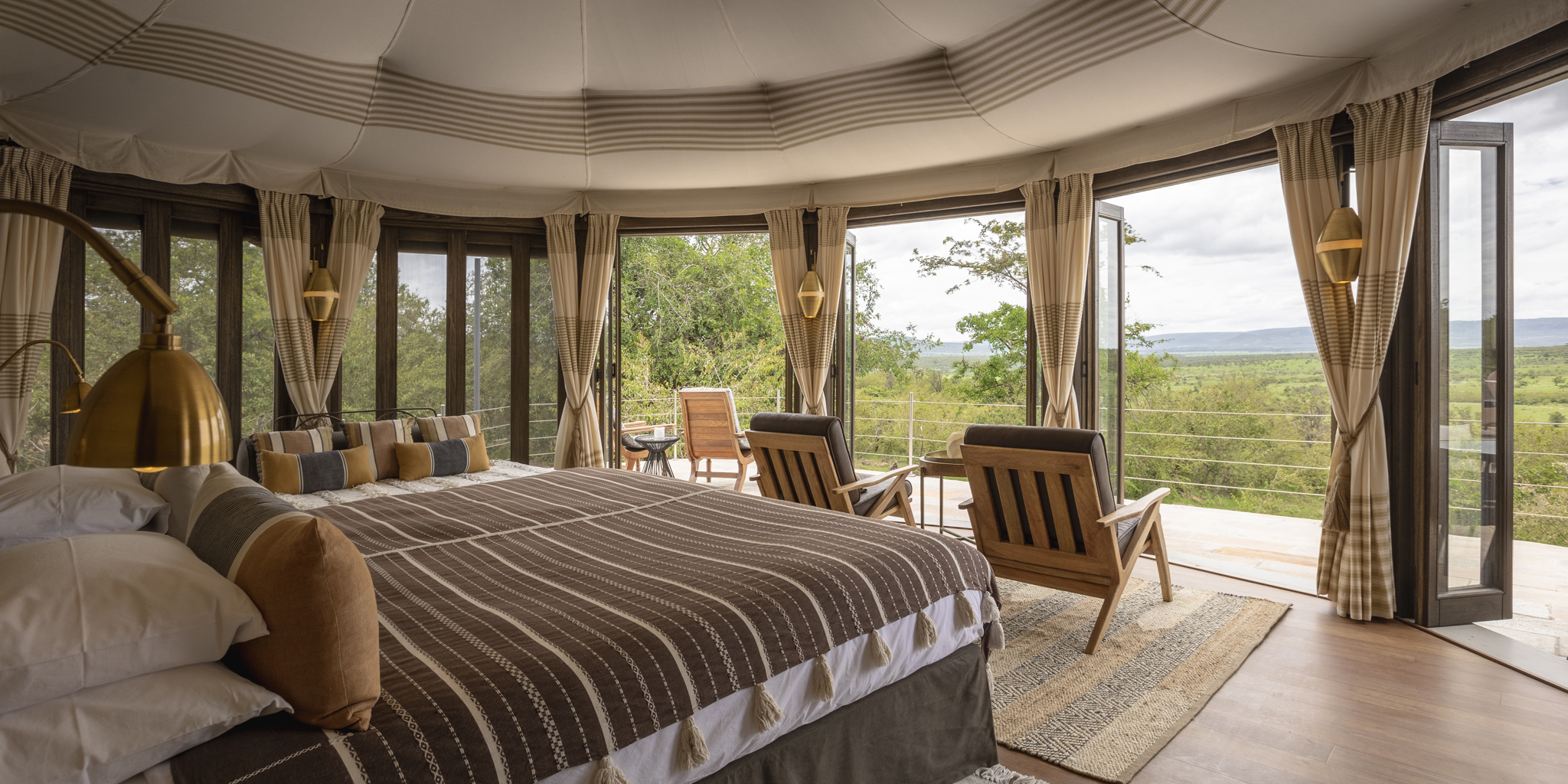
Yes, depending on your itinerary and the location of your camp. Many safari itineraries combine conservancy accommodation with game drives in the National Reserve.
However, you should confirm:
- Which area your game drive will take place in
- Whether Reserve entry fees are included
- How long it takes to reach the Reserve
- Which gate you will use
- Whether you will need to pay additional entry fees
- Whether the activity is included in your package
Do not assume that staying “in the Mara” automatically means you have unrestricted access to every part of the ecosystem.
Can You See the Big Five in a Conservancy?
Yes. Conservancies in the greater Mara ecosystem can offer excellent opportunities to see lions, leopards, elephants, buffaloes and other wildlife. However, wildlife is wild and sightings can never be guaranteed.
Your chances depend on:
- Season
- Location
- Wildlife movements
- Water and food availability
- Your guide
- Number of game drives
- Time spent in the area
The same applies inside the National Reserve.
Which Is Better for Families?
Both can work well for families.
The best choice depends on the age of your children and the activities you want.
A National Reserve safari can be ideal for families who want classic daytime game drives.
A conservancy may be better for families who want more flexibility and additional activities, where permitted.
Before booking, check the camp’s minimum age requirements and whether walking or night activities are suitable for your children.
Which Is Better for Honeymooners?
For honeymooners looking for privacy and a quieter experience, a conservancy can be an excellent choice. Many conservancy camps offer:
- Private or intimate accommodation
- Fewer vehicles
- Bush dining
- Sundowners
- Walking experiences
- Night drives where permitted
- Romantic safari experiences
However, honeymooners who want to witness the Great Migration or Mara River crossing should prioritize location and access to the Reserve during the relevant season. See our Masai Mara Honeymoon Safaris.
Which Is Better for Photographers?
Both can be excellent.
The National Reserve offers access to iconic Mara landscapes, wildlife areas and migration scenes.
Conservancies can offer a quieter setting, lower vehicle density and, where permitted, off-road viewing opportunities.
For serious wildlife photographers, the best option may be a combination of both.
Your guide, vehicle, season and location can have as much impact on photography as the choice between Reserve and conservancy.
What About the Mara Triangle?
The Mara Triangle should not be confused with the surrounding community conservancies.
The Mara Triangle is part of the wider Maasai Mara National Reserve, located on the western side of the Mara River. It is managed differently from some other parts of the Reserve, but it remains part of the National Reserve. This distinction is important when planning your safari because Mara Triangle is not simply another private conservancy. Learn more about the Mara Triangle
Plan Your Masai Mara Safari
Not sure whether you should stay in the National Reserve, a conservancy or both?
Let us know your travel dates, number of travelers, budget and what you would most like to experience.
We can help you choose the right area and build a Masai Mara safari around your priorities.