
Mara North Conservancy
Mara North Conservancy is one of Kenya’s most important community and private-sector conservation areas and a spectacular destination for an authentic Masai Mara safari. Located in the northwestern part of the Greater Mara ecosystem, the conservancy borders the Masai Mara National Reserve and protects a vast area of wilderness where wildlife, local communities and responsible tourism coexist.
The conservancy was officially established in January 2009 as a not-for-profit conservation organization. It was created through a partnership between tourism operators and Maasai landowners, with the aim of protecting wildlife habitat while ensuring that local communities benefit directly from tourism and conservation. Today, Mara North Conservancy covers more than 29,000 hectares of wilderness and remains an important part of the Greater Mara ecosystem.
Mara North Conservancy Wildlife
Mara North is renowned for its exceptional wildlife and is home to many of the species that make the Masai Mara one of Africa’s most famous safari destinations.
The conservancy supports populations of the Big Five – lions, leopards, elephants, buffaloes and rhinoceros – together with cheetahs, giraffes, zebras, wildebeest, gazelles, elands, hyenas, warthogs, jackals and numerous bird species.
One of Mara North’s most famous wildlife areas is Leopard Gorge, an area of rocky hills and natural cover that is particularly associated with leopards and other big cats. The landscape provides excellent shelter for predators and their young and has featured in wildlife documentaries, including BBC’s Big Cat Diaries.
The combination of open grasslands, wooded areas, rocky hills and seasonal watercourses creates diverse habitats and makes wildlife viewing possible throughout much of the year.
Mara North Conservancy Safari Experience
A Mara North Conservancy safari offers a more exclusive experience than many of the busier areas of the main reserve. Low-density tourism and restrictions on vehicle numbers help preserve the wilderness character of the area while giving visitors more space to enjoy wildlife.
Game drives are the main safari activity. Early-morning drives are excellent for watching predators when they are most active, while afternoon drives allow visitors to explore the plains as wildlife becomes increasingly active toward sunset.
Depending on the camp and local regulations, visitors can also experience night game drives, guided walking safaris and horseback safaris. These activities provide a different perspective of the Mara ecosystem, from tracking animal footprints on foot to searching for nocturnal wildlife after dark.
The conservancy’s lower vehicle density is particularly valuable for wildlife photographers and travelers who prefer a quieter safari experience.
Wildebeest Migration in Mara North
Mara North forms part of the wider ecosystem used by migrating wildlife moving between Kenya and Tanzania. During the Great Wildebeest Migration, wildebeest and zebra can move through the conservancy as they disperse across the Greater Mara ecosystem.
Mara North is also associated with the lesser-known Loita Hills wildebeest migration. Thousands of local wildebeest traditionally move between the Loita Hills and the northern Mara ecosystem according to seasonal rainfall and grazing conditions. This movement helps make Mara North a rewarding destination beyond the peak July-to-October migration period.
Travelers visiting specifically for dramatic Mara River crossings should note that the major crossing areas are located farther south, around the Mara River and the main reserve/Mara Triangle. Mara North, however, can offer excellent opportunities to see the herds and the predators that follow them.
Conservation and Maasai Communities

One of the greatest strengths of Mara North Conservancy is its community conservation model. The conservancy leases land from individual Maasai landowners, providing them with direct and regular income from wildlife conservation and tourism.
Tourism partners contribute fees that help fund land leases, professional land management and conservation programs. The partnership also supports measures such as controlled grazing, habitat management, wildlife monitoring and efforts to reduce human-wildlife conflict.
This approach gives local landowners a financial reason to maintain their land as a wildlife habitat while helping protect important wildlife corridors within the Greater Mara ecosystem.
Accommodation in Mara North Conservancy
Mara North has several safari camps offering accommodation ranging from intimate tented camps to luxury safari experiences. Staying inside the conservancy allows guests to enjoy easy access to wildlife areas and take advantage of the quieter atmosphere.
Accommodation options associated with Mara North include Mara Rianta Camp, Offbeat Mara Camp, Karen Blixen Camp, Mara Acacia Bush House, Elephant Pepper Camp, Ngare Serian, Royal Mara Safari Lodge, Saruni Wild and Serian, among others.
Because camps operate within a conservation area with low-density tourism, staying in Mara North can be an excellent option for travelers looking for a more private and environmentally responsible Masai Mara safari.
Best Time to Visit Mara North Conservancy
Mara North Conservancy can be visited throughout the year because resident wildlife remains within the ecosystem even when migratory herds have moved elsewhere.
The dry months generally provide excellent game viewing, while periods of seasonal rainfall transform the landscape with fresh vegetation and attract wildlife to newly productive grazing areas.
For travelers interested in the Loita migration, the period when the herds move through the northern Mara can be particularly rewarding. Visitors interested in the wider Great Migration should consider the seasonal movement of wildebeest between the Serengeti and Greater Mara ecosystem when planning their Kenya safari.
How to Get to Mara North Conservancy
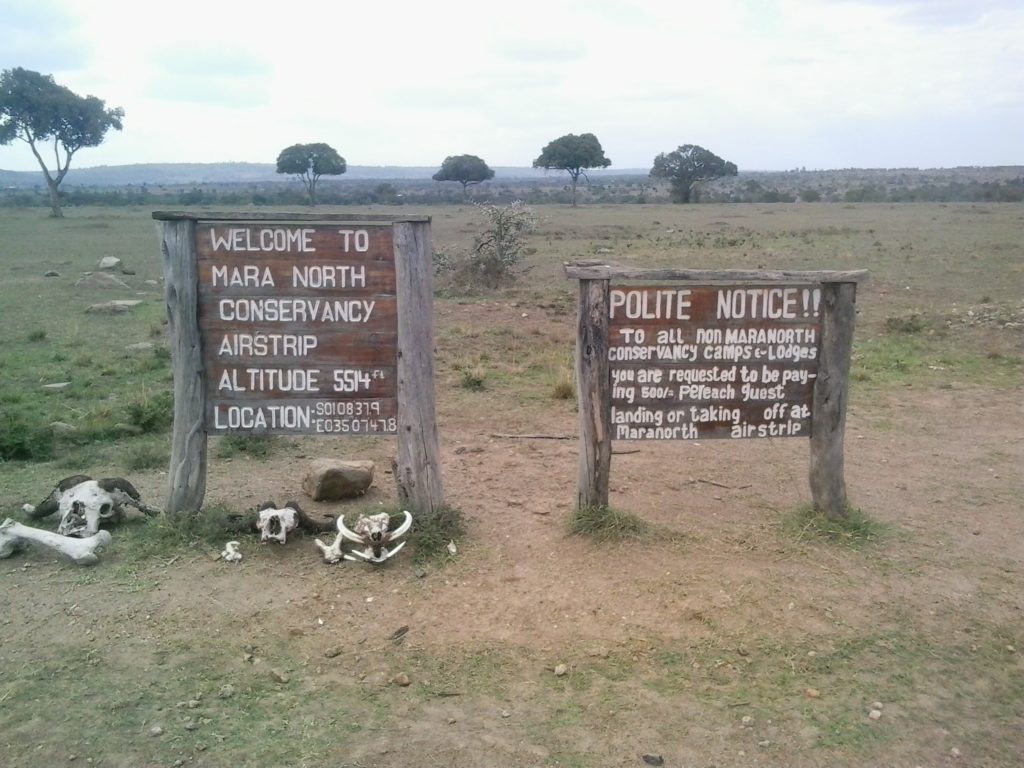
 Mara North can be reached by both road and air. Travelers flying from Nairobi can use scheduled domestic services connecting Wilson Airport with airstrips serving the greater Masai Mara region. Road access is also possible via Narok and the Masai Mara area.
Flying is generally the most convenient option for travelers with limited time, while driving allows visitors to experience more of Kenya’s countryside along the journey.
Why Visit Mara North Conservancy?
Mara North Conservancy combines excellent wildlife, low-density tourism, community conservation and beautiful wilderness. Its location next to the Masai Mara National Reserve makes it possible to experience the Greater Mara ecosystem while enjoying a quieter safari environment.
For travelers seeking big cats, elephants, wildebeest, beautiful landscapes and an authentic community-based conservation experience, Mara North Conservancy is one of the best places to include in a Kenya safari itinerary.