
Guide to Kenya safari Tour
Guide to Kenya safari Tour : Kenya is a fantastic safari destination and the birthplace of the safari. With Mount Kenya rising over a patchwork of little farms, lush slopes, and golden grassland, the East African nation first attracted tourists more than a century ago. They were enticed by stories of wild creatures. When you picture your dream vacation to Africa, images of the vast, rolling savannah grasslands of Maasai Mara that are shaded by the Great Rift Valley highlands of the 01001010 Escarpment come to mind.
Here, territorial and resident species compete for survival as wildebeests and zebras cross the harsh Mara River’s migratory pathways. While gazelles jump and dance joyously in a game of chase, a female cheetah crouches in dense grasses with her sharp eyes set on her prey. In the northern wilderness of Laikipia, Lewa, vicious feline hunters patrol their territories in search of unauthorized predators who dared to invade their domain. Lion cubs happily tussle next to an intimidating male as females scout the dense terrain for their next family meal. Hyenas yip in the vicinity of an early morning carcass to deter vultures and other bird scavengers.
Crocodiles patrol the banks of the Ewaso Nyiro River as Samburu and Shaba hippos peek above the water before diving. Long-necked giraffes of the Chyulu Hills stretch up into acacia trees to delicately wrap their mouths around lavish leaves tucked among thorns. Protected rhinoceros graze in eastern tranquilly in Meru National Park, the “Born Free” home of Joy and George Adamson. Hundreds of colourful birds and butterflies soar over the lush terrain of the Shimba and Aberdare Mountains.
Places to visit when on a safari in Kenya.
Amboseli National Park.
One of the most beautiful places to visit on Kenya safari is Amboseli National Park, which is close to the Tanzanian border and east of the Mara. Its stunning environment, which includes the majestic, snow-capped Mt Kilimanjaro, the world’s tallest freestanding peak, looming up across the border, as well as its large population of elephants, many of which have enormous tusks, as well as lions, cheetahs, hyena.
Maasai Mara National Reserve.
Maasai Mara National Reserve is one of the most popular safari destinations on the continent, but you can avoid the crowds by staying in a private concession on the reserve’s edge. In addition to not being accessible to the general public, concessions offer the benefit of permitting activities that are not allowed in the national reserve, like bush walks and night drives. Maasai Mara is one of the best places in Africa to see big cats, and being one of the best.
Then there’s the main attraction: the annual migration of about two million wildebeest, as well as 500,000 antelopes and thousands of zebras, which follows the rains in Tanzania and Kenya. The most anticipated part of this journey is the stunning Mara River crossings that take place between July and October when the animals reach Kenya.
Lake Nakuru National Park.
One of the Rift Valley lakes, Lake Nakuru, is home to a wide variety of bird species, most notably massive flocks of flamingos, which have been estimated to number in the millions, though the lake’s population has recently declined. Around the lake, you may see pelicans, cormorants, African fish eagles, Verreaux’s eagles, Goliath herons, and hamerkops, as well as black and white heron and many others.
Samburu National Reserve.
Samburu people, known for their numerous strands of brightly colored beaded jewelry, reside in northern Kenya’s Samburu National Reserve, which is regarded as one of the country’s top safari destinations. The reserve is a home to elephants, lions, leopards, and cheetahs, as well as over 450 bird species. Rare subspecies like the Grevy’s zebra, reticulated giraffe, Gerenuk, Somali ostrich Beisa Oryx may also
Ol Pejeta Conservancy.
Ol Pejeta reserve also includes the Sweet waters Chimpanzee Sanctuary, which houses chimps rescued from the illicit market. O1 Pejeta reserve, a Big Five reserve in the slopes of Mount Kenya, is well-known for its conservation efforts. The last male northern white rhino, Sudan, died there in 2018; the subspecies’ remaining females remain there, where they are constantly safeguarded.
Lake Victoria.
One of the best sites to visit in Kenya is Lake Victoria, which is the largest lake in Africa and flows through the nations of Kenya, Uganda, and Tanzania. African helmeted turtles, varied mud turtles, Williams’ mud turtles, and 500 varieties of fish, including non-native fish species such African tetras, Cyprinids, air breathing catfish, and bagrid catfish, can all be found in the peaceful environment.
Nairobi City.
Kenya’s capital and largest city, Nairobi, is a popular tourist safari destination known for its storied colonial past, extensive infrastructure, tea and coffee industry, and wildlife reserves. Nairobi is a must-visit city if you want to experience Kenya’s rich history, dynamic culture, abundant wildlife, and incredible modern art.
Nairobi National Park.
A short distance from Nairobi’s main business district, Nairobi National Park is home to a variety of animals, including the endangered black rhino, lions, leopards, cheetahs, hyenas, buffaloes, giraffes, and over 400 different species of birds. Visitors can take advantage of the park’s picnic areas, three campsites, and hiking trails.
Mount Kenya National Park.
This national park was established to protect the endangered species of Mt. Kenya’s surrounding areas. It is now a full-fledged tourist safari destination and one of the top Kenya tourism spots recognized for its exhilarating wildlife safari experiences. Mt. Kenya, with an elevation of 5,199 metres, is Kenya’s second highest mountain and a UNESCO World Heritage Site.
Lamu Town.
Lamu archipelago is one of the most fascinating historical locations, and Kenya is well renowned for its safari parks, savannah, and Indian Ocean coastline.
There are 23 mosques on the island, as well as a 19th-century fort and traditional dhow boats moored offshore. Then there are the nearby tranquil and unspoiled beaches, the perfect place to relax after a safari experience in Kenya. Lamu was founded long time as a Swahili harbor and has since been colonized by Europeans, Indians, and Persians. As a result, it is a multicultural melting pot.
Mombasa City.
Mombasa is one of Kenya’s most popular safari destinations, boasting a fusion of many cultures, customs, art, architecture, and cuisines such as British, Portuguese, Arab, Indian, and Asian. This city is also well-known for its beaches, coral reefs, historical sites, and vibrant street life. Mombasa is Kenya’s major port city and attracts tourists of all kinds because of its diverse culture.
Diani Beach.
The stunning beaches of Diani Beach, one of Africa’s most beautiful beaches, are lapped by the sparkling Indian Ocean and surrounded by green forests, where you can go for nature hikes when you’re done sunbathing or kitesurfing. You can also go snorkeling, swim with whale sharks, take a sunset dhow trip, or just relax in a hammock with a good book.

Aberdare National Park.
One of the most intriguing places to visit in Kenya is Aberdare National Park, which has a lush mountainous landscape with valleys, rivers, waterfalls, and woods. It is also home to extremely rare species like the black serval, black leopard, and the nation’s most elusive antelope, the eastern bongo.
Explore Malindi.
Malindi, one of Kenya’s most popular tourist safari destinations, is a popular vacation town with two distinct faces: the rich history of the city is reflected in one half of the city, while the other half is a modern tourist magnet. Visitors come to explore its ancient sites, beautiful beaches, and enormous coral reefs.
Wasini Island.
Wasini, a small island off Kenya’s southeast coast, is one of the greatest places to visit in Kenya for nature and adventure fans, who can engage in thrilling safari activities like diving, snorkeling, dolphin watching, and sailing onboard a boat.
Kenyan cuisines and drinks to try during your Kenya Safaris.
On a luxurious Kenyan safari, you won’t go hungry. Camp cuisine is hearty and ample if you’re walking; expect enormous servings of soup, spaghetti, meat and fish, veggies, and fruits. Meals in Kenya’s high-end and mid-range hotels are frequently Western and good, with snacks available in between.
The food in Kenya is straightforward and meat-based; expect mutton stews, ugali (stodgy maize porridge), and vegetables like spinach. Fresh fruit grown in Kenya, such as mango, pineapple, and passion fruit, is plentiful; fruit drinks are particularly good. Tusker beer, a G&T, or a glass of imported wine all make excellent sundowners, which is the traditional way to end a safari day in Kenya.
What to Pack for Kenya Safaris.
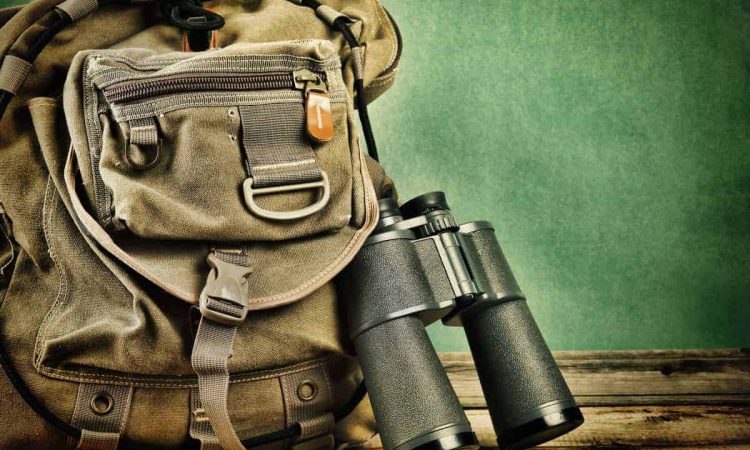
It is important to have appropriate clothing for the chilly mornings and late evenings because it might get cold. If you want to swim at the lodges after the game drives, bring swimwear. Remember to bring bug repellent because you will be in a malaria region. For the duration of the safari, we recommend wearing comfortable shorts, tees and long pants.
When is the best time for Kenya Safaris?
The Kenyan climate is suitable for an African wildlife and beach holiday all year round; the moderate to tropical temps keep you comfortable throughout your daytime game drives and other outdoor activities. Upcountry Kenya is nearly entirely above 600 metres or more above sea level, resulting in a pleasant environment with warm days and chilly nights. Coastal areas are frequently hot and humid all year, with significantly more mosquitoes.
Visit during the rainy season (June-October) for less expensive discounts and fewer crowds; this is also when the Great Migration passes through Kenya’s Masai Mara, one of the world’s finest wildlife spectacles. The months of March to May and October to December are frequently wetter, but it doesn’t usually rain during these times.