
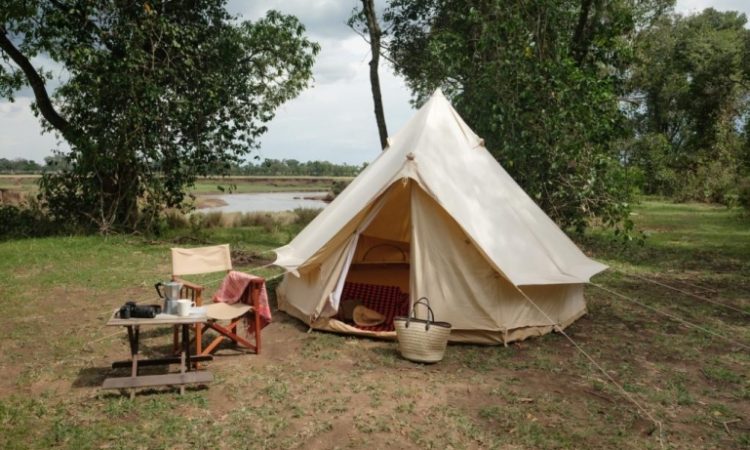
Mara Triangle camping
Mara Triangle camping : The Mara Triangle is a unique region within the Mara environment that is home to some of the biggest densities of animals that you may see while on a Kenya safari. It is also where the spectacular river crossing during the yearly great migration is observed.
The Mara Triangle occupies one third of the Masai Mara national reserve and is located in the southwest of the reserve. It is divided from the reserve by the Mara River and spans an area of 510 square kilometres. Its two natural borders are the Tanzania which is the Serengeti National Park border to the southwest, the Mara River to the east, and the Ol doinyio Escarpment, also known as Oloololo or Siria Escarpment, to the northwest.
The Oloololo Escarpment, rising to a height of 400 metres, riverine woodland, red oat meadows, and volcanic hills make up the Mara Triangle’s topography. The Mara Triangle is the finest location to go for a genuine Kenyan safari experience since, despite its enormous concentration of animals, it is always calm, isolated, and less crowded. Here are additional Mara Triangle details.
Mara Triangle camping : History of the mara Triangle
The region currently referred to as The Triangle covers 510 square kilometres, or roughly one-third of the total area of the Masai Mara National Reserve. The region’s history includes widespread poaching that claimed thousands of animals annually.
A coalition of community leaders came together in 2000 to support the preservation of the Mara Triangle and prevent the dwindling population of animals from being poached for their meat, skins, and ivory, which were then sold on the black market. These leaders’ cooperation led to the creation of the non-profit Mara Conservancy, a conservation organisation. This cooperation was the initial stage of a novel relationship between the public and private sectors, involving conservation experts.
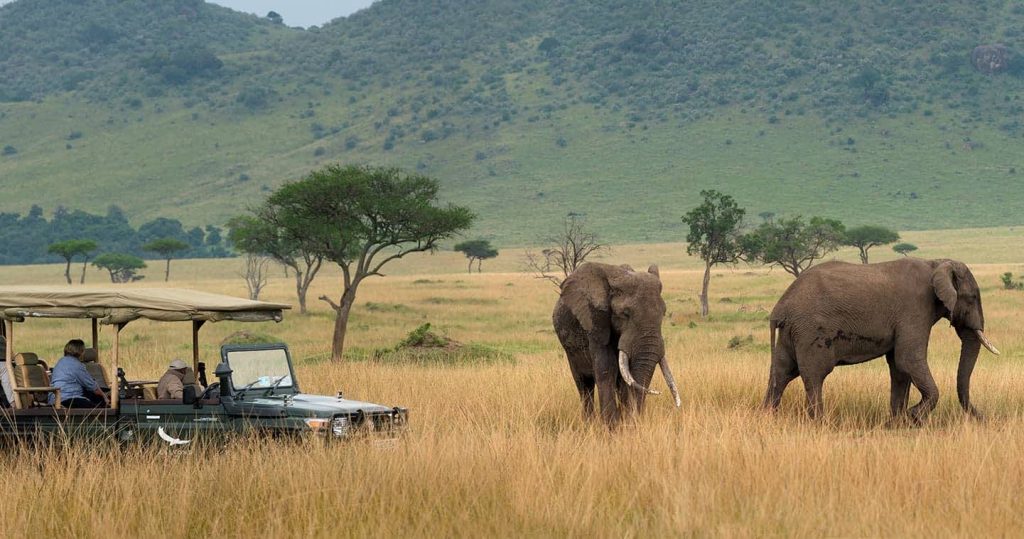
One third of the 510 square kilometre Masai Mara National Reserve is comprised of the Mara Triangle, which is situated between the Oloololo Escarpment in western Kenya, the Mara River, and Tanzania’s Serengeti National Park. It can only be accessed via the New Mara Bridge or the Oloololo gate. It receives much fewer visitors and is less congested than the rest of the Maasai Mara region due to the restricted access. With an abundance of wildlife including giraffes, zebras, wildebeests, elands, impalas, and predators like lions, leopards, hyenas, jackals, and cheetahs that are always lurking nearby, the Mara Triangle is a hidden gem that is home to a sizable population of wildlife all year round.
Elephants, buffaloes, hippos, baboons, and other wildlife are among the creatures that find refuge and sustenance in the riverine woods that border the banks of the Mara River. During the Great Migration, the deadly Nile crocodiles lurk in the river’s waters, ready to strike at any weaker wildebeests making the perilous crossing.
Mara Triangle camping : Safari accommodations at Mara Triangle
Due of rigorous regulations governing the Masai Mara conservancies, there are only a limited amount of lodgings available in the Mara triangle. Specifically, each tourist is only allowed to occupy roughly 350 acres, or 700 acres for a double tent. The Little Governor’s Camp, Angama Mara, and the Kichwa Tembo Tented Camp are among the lodging options in the Triangle.
Booking your lodging as soon as you are certain of your Kenya safari dates is crucial if you intend to stay in the Mara Triangle, as there are a few lodging alternatives located within its perimeter.
By choosing lodges inside the Triangle, you are helping the Maasai communities, the conservancies, and the lodgings, which try to hire locals whenever possible. The Maasai population in the area benefits directly from the safari accommodations tours even if the staff members do not speak English.
Since the Mara Triangle is thought to be the entry point for the big migration, most visitors arrive during the great migration. July through October are your best bet for observing the herds during their trek because of the favourable weather during this time. The “green season,” which runs from November to June, is a great time to see wildlife but unfortunately has significantly fewer visitors and maybe because of the worse weather which is mostly rainy.
Camping in the Mara Triangle
There are eight private campsites and three public campsites at Mara Triangle. For all of our public campsites, no reservations are needed in advance.
Public camping fee per person per day
| Category | Kenyan Citizen | East Africa Citizen/Resident | Non-Resident |
| Adult | KSH 1000 | KSH 1200 | USD 30 |
| Children | KSH 200 | KSH 200 | USD 20 |
| Student | KSH 200 | KSH 200 | USD 20 |
Private campsites
Non professional and professional
Private campsites need to be reserved in advance, and there is a cost associated with it. Currently, there are five public private campgrounds available: Dirisha, Maji ya Ndege, Ndovu, Olarro, and Kiboko.
Rules for Private campsites
- In private campsites, it is required that all campers hire two rangers to provide security at night. Each ranger pays 2,000 KES every night for their services. The rangers won’t need to make reservations in advance because Mara Conservancy will supply transportation and food.
- Block booking is not allowed, and doing so will cause all bookings to be cancelled. Block booking is making reservations for campsites under false pretences or abandoning a reserved campground.
- A non-refundable booking cost of 10,000 KES is required for non-professional visitors (one campground, one group, maximum one week), while a non-refundable booking fee of 40,000 KES is required for professional campers (one campsite, one group, maximum two weeks).
- The reservation for a campsite is good for the entire period that it is occupied, including when camp staff sets up and breaks down tents.
- Please it is important to note that cancellations made within six months of the arrival date will result in a cancellation fee of $1,000 USD.
Special private campsites
Kampi ya Mungu, Kishanga, and Kijito are the three unique campsites located in the wild area. Customers using these campsites are the only users of the region. Game drives up to 1930 hours and guarded walking safaris along the escarpment are among the activities allowed for guests sleeping in the VIP campsites.
Booking guidelines for campsites are as follows:
- A non-refundable booking fee of USD 500 per day (one party, one campground, maximum of two weeks) is required.
- The reservation for a campsite is good for the entire period that it is occupied, including when camp staff sets up and takes down tents.
- In private campsites, it is required that all campers hire two rangers to provide security at night. Each ranger pays 2,000 KES every night for their services. The rangers won’t need to make reservations in advance because Mara Conservancy will supply transportation and food.