
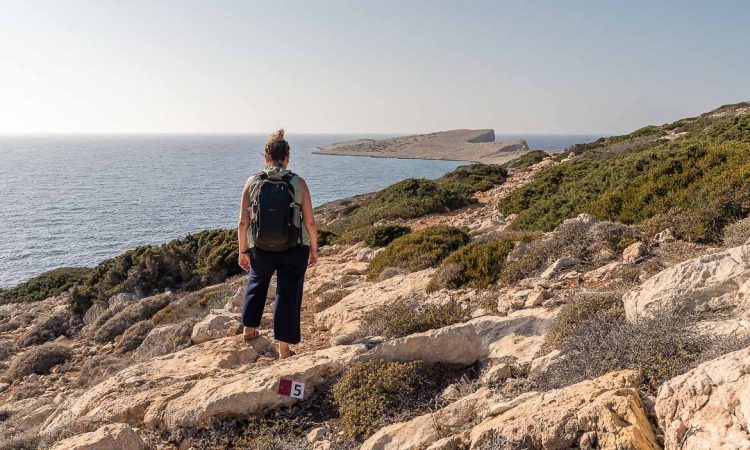
Top tips to start travelling responsibly
Top tips to start travelling responsibly : What is responsible travel? Responsible travel is when an individual travels in a manner that considers social, cultural, and environmental impacts, and makes a concerted effort to leave a positive impact. Travel opens the door to a world that is both extraordinarily enriching and tragically regrettable.
While many of us in the ‘real world’ are more concerned with which new shoes to purchase and whether or not it’s time to upgrade our smartphones, tragic events occur every day that we have been conditioned to ignore.
Here are 10 ways to help you become a responsible traveler.
- Volunteer some of your time.
Whether you are travelling for two weeks or two years, volunteering with worthy causes and reputable organizations can make a significant difference. If you have a skill that may be useful in a developing nation, such as medical care experience, an engineering background, or social care experience, there are a plethora of opportunities for you to put your expertise to good use.
But even if you are not highly qualified, you can still discover volunteer opportunities that are beneficial. You may be able to spend a few days teaching English in rural schools, or you can investigate active animal conservation initiatives in the areas you are visiting. Contacting a local NGO and asking if they need any supplies carried in is another excellent idea.
A word of caution, however: Don’t become enamoured with the concept of “Voluntourism” for the incorrect reasons. Please conduct research and consider logically before committing to volunteering with an organization. Is spending a day at an orphanage truly beneficial to the children? Are you qualified to establish a hospital in Tanzania despite your lack of construction experience?
And by volunteering, are you depriving a local who could perform the same task of employment? Instead of paying a high fee to ‘volunteer’ with a non-profit organization, don’t be afraid to admit that it might be preferable to donate money and let the experts handle the task.
2) Shop locally.
When it comes to eating, sleeping, and purchasing souvenirs, where you invest your money can have a significant effect on the local community. By eating at a hole-in-the-wall restaurant, lodging at a family-run lodge/hotel, or purchasing a trinket from a street vendor, you are directly contributing to the local economy.
In addition to creating a more authentic travel Kenya safari experience for yourself, you are also assisting someone improve their life. When you purchase from a multinational corporation, the majority of your dollars will go directly into the accounts of shareholders and business directors.
3) Think before you act with wildlife activities.
When planning an international vacation, many individuals have exotic fantasies of riding elephants, swimming with dolphins, and posing with tigers, but these irresponsible safari activities frequently cause more damage than good.
Wildlife tourism is a lucrative industry, and the majority of operators prioritize profits over animal welfare. Consider that for one hour of amusement, you may be contributing to a lifetime of suffering for the animal. If you are truly interested in visiting a facility that houses and protects animals.
4) Respect the local culture.
One of the greatest benefits of travelling is gaining knowledge of diverse cultures and religions. The world and its people are diverse and intriguing, and it is a remarkable sensation to be able to experience them. When you travel, you must remember how essential it is to respect the local customs and traditions.
In many countries where the dress code is more conservative, donning short shorts or singlets may be considered inappropriate. Take the time to learn the local language, even if it’s just “hello” and “thank you,” just as you would expect visitors to your country to do.
Educate yourself on the customs of your Kenya safari destination to avoid accidentally offending anyone.
5) Minimise your waste.
Waste management can be a significant issue in the majority of developing countries, and as tourists. It may not be the same in other countries as it is in the United States when it comes to recycling and minimizing waste, so it is essential to take your own steps to help the environment. Refrain from accepting plastic bags from stores and instead carry your items in a knapsack or a reusable bag.
Eat and drink in the cafe as opposed to ordering takeaway. Carry a refillable water bottle and fill it from the large water jugs located in most hotels and restaurants.
6) Choose sustainable accommodation and tour operators.
When it comes to finding a place to rest your head or selecting an operator to transport you on that once-in-a-lifetime Kenya safari vacation, you have thousands of options. These establishments should be rewarded for their efforts. It is feasible to find businesses that actively work with local communities or have practices that help protect the environment.

Selecting eco-friendly and sustainable lodging for a useful guide. They may choose to employ only local guides or workers from neighboring villages, or they may provide additional training to enhance the skills of their employees.
Some establishments even donate a portion of their revenues to charitable organizations or pay their local employees above-average wages without your involvement. Finding these sustainable companies may require a bit more inquiry, but the benefits justify the effort.
7) Lower your footprint.
There are numerous effective methods to reduce your environmental impact while travelling.
Instead of always relying on taxis to get you from point A to point B, consider riding the local bus. If the distance is not too great, walk rather than taking public transport for one or two stations.
Renting a bicycle is the best method to explore an area thoroughly. It is not only beneficial for the environment, but also for your travel budget and your health.
8) Look at the bigger picture when bargaining.
In regions such as Latin America and Southeast Asia, haggling for goods is a cultural norm. Almost comparable to a game. However, please consider the larger picture when negotiating for this souvenir. Before you begin haggling over $1, consider how far that additional dollar could go for the person you are interacting with.
Consider the broader picture. If you have no qualms about staying in an expensive hotel and drinking overpriced cocktails by the pool, don’t attempt to intimidate a local into giving you a few dollars. People who could use the money more than you should not be bargained with over a few dollars.
9) Don’t give to beggars.
When we see individuals (especially children) begging on the streets, the vast majority of us feel utterly heartbroken. However, it is essential to remember that begging only encourages locals to continue requesting money from travelers.
As a result, there are numerous locations with beggars who pose to be less fortunate than they are in order to extort money from tourists.
In locations like Cambodia, parents frequently pull their children out of school to beg on the streets. In the worst cases, these children may be part of a larger network run by unscrupulous individuals who keep the money for themselves. Obviously, use discretion in this situation, but if you truly want to assist the person, consider purchasing them some food or water.
Also seek out local organizations that assist disadvantaged individuals in the area and inquire if they require assistance.
10) Educate others to be responsible travelers.
Being a responsible traveler may come naturally to some, while others may simply be unaware of the consequences of their actions while abroad. If you observe someone unintentionally harming the environment or the local people and culture, you may want to say something in a friendly manner.
Engage in conversations about responsible travel with individuals in your hostel, hotel, or tour group. We can only help spread the message about sustainable tourism through education.
Before you head out on your gap year learn how to be an ethical and sustainable traveler.
If you have any additional questions, views, or ideas, or if you are a business interested in implementing sustainable practises, please do not hesitate to contact us at Focus East Africa Tours. While travelling, remember that our actions can have a significant impact on the world. Ensure that it is positive.