

Mara Naboisho Conservancy
Mara Naboisho Conservancy is one of the most important community-owned wildlife conservancies in the greater Maasai Mara ecosystem and one of the best places to experience an authentic Kenya safari away from some of the busier areas of the main reserve. Located in southwestern Kenya, Naboisho lies between Olare Orok Conservancy to the west and Ol Kinyei Conservancy to the east, forming an important wildlife area adjoining the Maasai Mara National Reserve.
Covering approximately 50,000 acres of land, Mara Naboisho is among the largest conservancies in the Maasai Mara region. The name “Naboisho” means “coming together” in the local Maasai language, reflecting the partnership between local Maasai landowners, conservationists, and tourism stakeholders.
The conservancy was established in 2010 by approximately 425 Maasai landowners and conservationists with the goal of protecting wildlife habitat while creating sustainable economic opportunities for the local community. Today, Mara Naboisho forms an important part of the wider Mara ecosystem, allowing wildlife to move between different conservation areas and the national reserve.
For travelers planning a Kenya safari, visiting Naboisho provides an opportunity to combine exceptional wildlife viewing with community-based conservation and a more exclusive wilderness experience.
Where Is Mara Naboisho Conservancy?
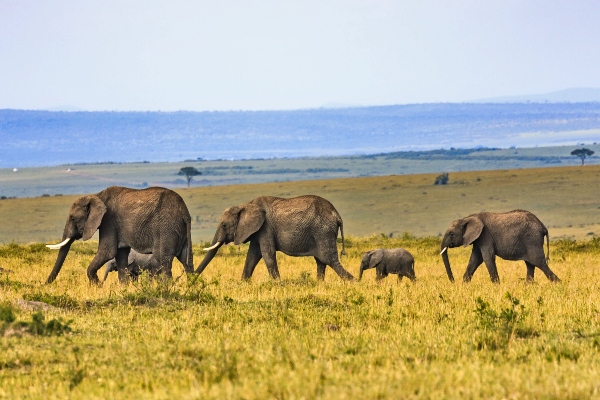 Mara Naboisho Conservancy is located in the greater Maasai Mara ecosystem in Narok County, southwestern Kenya. It is positioned adjacent to the Maasai Mara National Reserve and surrounded by other important wildlife conservancies.
Naboisho lies between Olare Orok/Olare Motorogi to the west and Ol Kinyei Conservancy to the east, creating an important wildlife landscape beyond the boundaries of the national reserve.
Its location is particularly important because wildlife in the Maasai Mara does not remain within the boundaries of the national reserve. Animals move between the reserve and surrounding community conservation areas in search of food, water, breeding grounds, and safe grazing areas.
This interconnected landscape is one of the reasons why the Maasai Mara ecosystem is so important for wildlife conservation.
Size of Mara Naboisho Conservancy
Mara Naboisho covers approximately 50,000 acres, making it one of the largest private and community-based conservancies in the Maasai Mara ecosystem.
The large size of the conservancy provides extensive habitat for wildlife while maintaining important wildlife corridors between neighboring conservation areas and the Maasai Mara National Reserve.
The open grasslands, seasonal waterways, woodland areas, and other habitats support a remarkable diversity of wildlife. This combination of habitat and relatively low-density tourism contributes to the area’s reputation for excellent wildlife viewing.
Wildlife in Mara Naboisho Conservancy
Wildlife is the main attraction of a safari in Mara Naboisho Conservancy. The area is particularly famous for its large lion prides and high concentration of predators, supported by abundant populations of herbivores.
The conservancy is home to lions, elephants, wildebeest, zebras, giraffes, leopards, cheetahs, hyenas, serval cats, caracals, aardwolves, and numerous species of antelope.
Among the most sought-after animals are:
- Lions
- Leopards
- Cheetahs
- Elephants
- Buffaloes
- Wildebeest
- Zebras
- Giraffes
- Hyenas
- Serval cats
- Caracals
- Aardwolves
- Elands
- Gazelles
- Warthogs and other smaller mammals
Naboisho is particularly well known for its lion population, with estimates of around 100 lions in the conservancy having been reported. The large number of grazing animals provides an abundant food source for predators, helping support the area’s exceptional concentration of carnivores.
Travelers interested in the animals of Maasai Mara can therefore combine a visit to Naboisho with wildlife viewing in the main reserve for a more comprehensive safari experience.
Big Cats and Predators in Naboisho
 One of the major reasons to visit Mara Naboisho is the opportunity to observe African big cats in their natural habitat.
Lions are especially prominent, and visitors may encounter prides resting under trees, moving across the savannah, hunting, feeding, or interacting with cubs. Leopards and cheetahs can also be encountered, although sightings of these more elusive cats depend on location, season, and luck.
The abundance of wildebeest, zebras, gazelles and other herbivores creates ideal hunting opportunities for predators. This predator-prey relationship is one of the defining characteristics of the Mara ecosystem.
For photographers and wildlife enthusiasts, early morning and late afternoon game drives often provide excellent opportunities to observe predator behavior in favorable light.
The Loita Migration and Mara Naboisho
Mara Naboisho also forms part of the Loita wildlife migration route, an important but less widely known seasonal movement of wildebeest and zebras within the greater Mara ecosystem.
The Loita migration differs from the famous Great Wildebeest Migration between the Serengeti and Maasai Mara. Large herds associated with the Loita system move between the Loita Hills and different parts of the Mara ecosystem in search of fresh pasture.
Naboisho is therefore important not only as a wildlife viewing destination but also as part of the broader landscape through which animals move seasonally.
Travelers interested in seasonal wildlife movements can learn more about the Great Wildebeest Migration in Maasai Mara and how wildlife moves across the wider Mara-Serengeti ecosystem.
Bird Watching in Mara Naboisho Conservancy
Mara Naboisho is also an excellent destination for bird watching in the Maasai Mara. Its combination of open grasslands, acacia woodland, seasonal wetlands, and other habitats supports a wide range of bird species.
Birders may encounter both common savannah birds and less frequently seen species, including:
- White-headed Buffalo Weaver
- Bush Pipit
- Pygmy Falcon
- Kori Bustard
- Ostrich
- Various eagles and other raptors
- Vultures
- Starlings
- Weavers
- Rollers
- Plovers and other grassland birds
Bird watching is particularly rewarding when combined with a wildlife game drive because the same diverse habitats that attract large mammals also provide feeding and nesting grounds for numerous bird species.
Mara Naboisho Conservancy and Community Conservation
One of the most important features of Mara Naboisho is its community-based conservation model.
The conservancy was established by Maasai landowners who agreed to dedicate their land to wildlife conservation and tourism. This approach creates a direct connection between tourism, wildlife protection, and local livelihoods.
Instead of viewing conservation and community development as separate objectives, the Naboisho model seeks to make wildlife a valuable economic resource for the communities that own and manage the land.
Tourism provides employment opportunities and generates revenue that supports local livelihoods while helping preserve wildlife habitat. By participating in a safari in Naboisho, visitors therefore contribute to a conservation model that benefits both wildlife and surrounding communities.
This is particularly important in the greater Mara ecosystem because a significant proportion of wildlife habitat exists outside the boundaries of the national reserve.
Koiyaki Guiding School and Professional Safari Guiding
The Koiyaki Guiding School has played an important role in developing professional safari guides from communities around the Maasai Mara.
Well-trained local guides contribute significantly to the quality of wildlife experiences in Naboisho. They understand the landscape, animal behavior, tracks, bird species, seasonal movements, and local culture.
Guides also help communicate the importance of conservation to visitors and local communities. Their role extends beyond simply locating animals; they help travelers understand the ecological relationships that make the Mara ecosystem unique.
A knowledgeable guide can transform a standard game drive into a deeper learning experience by explaining predator behavior, animal communication, tracks, vegetation, seasonal changes, and the relationship between wildlife and the Maasai community.
Safari Activities in Mara Naboisho Conservancy
Mara Naboisho offers a range of safari experiences depending on the camp or lodge you choose and the activities permitted within the conservancy.
Game Drives
Game drives are the main activity in Naboisho and provide opportunities to search for lions, elephants, leopards, cheetahs, wildebeest, zebras, giraffes, and many other species.
Morning game drives are particularly rewarding because many animals are active during the cooler hours of the day. Afternoon and evening drives provide opportunities to observe wildlife as temperatures become cooler and predators become more active.
The lower-density environment of conservancies can also provide a more intimate wildlife-viewing experience compared with some of the busiest areas of the national reserve.
Night Game Drives
Depending on conservancy regulations and the camp you stay at, night game drives may provide an opportunity to experience the Mara after sunset.
Nocturnal species become more active at night, including servals, aardwolves, genets, civets, and various smaller predators and mammals.
Night drives also provide an opportunity to observe animals that may be less active during the heat of the day.
Walking Safaris
Walking safaris offer a different perspective of the Mara ecosystem. Instead of focusing exclusively on large mammals, walking allows visitors to pay attention to animal tracks, plants, insects, birds, dung, footprints, and other signs of wildlife.
Walking with an experienced guide can provide a deeper appreciation of the smaller details that are easily overlooked during a vehicle-based game drive.
Maasai Cultural Experiences
A safari in Naboisho can also be combined with a Maasai cultural experience, giving travelers an opportunity to learn more about the traditions, livelihoods, history, and contemporary life of communities surrounding the conservancy.
These experiences can help visitors understand the important relationship between Maasai communities, livestock, wildlife, tourism, and conservation.
Why Choose Mara Naboisho Instead of Only Visiting the Main Maasai Mara Reserve?
Mara Naboisho and the Maasai Mara National Reserve offer complementary safari experiences.
The national reserve is famous for its extensive savannah landscapes, abundant wildlife, Big Five sightings, and the Great Wildebeest Migration. Naboisho, on the other hand, provides access to a community conservancy where travelers can enjoy a more exclusive atmosphere and, depending on the camp and regulations, activities such as walking and night game drives.
Another important advantage is the role that conservancies play in protecting wildlife habitat outside the national reserve.
For many travelers, the best approach is not to choose between the two but to combine Maasai Mara National Reserve with Mara Naboisho Conservancy in the same safari itinerary.
This provides the opportunity to experience the famous wildlife of the reserve while also enjoying the quieter surroundings and conservation-focused experience of Naboisho.
Best Time to Visit Mara Naboisho Conservancy
Mara Naboisho is a year-round safari destination, although different seasons offer different advantages.
The dry months are generally favorable for wildlife viewing because vegetation becomes thinner and animals may gather around remaining water sources. Roads are also generally easier to navigate during dry conditions.
The period from July to October is particularly popular because it coincides with the wider Great Wildebeest Migration in the Maasai Mara ecosystem. Large numbers of wildebeest, zebras, and gazelles move into the Mara from the Serengeti, creating spectacular wildlife encounters.
However, migration timing varies from year to year according to rainfall, grazing conditions, and the movement of the herds.
The green seasons can also be rewarding. The landscape becomes lush, bird activity increases, and photographers can enjoy dramatic skies and beautiful scenery. There can also be fewer tourists during certain periods.
For general wildlife viewing, travelers do not necessarily need to visit during the migration because Naboisho has substantial populations of resident wildlife throughout the year.
Getting there
Mara Naboisho can be reached by road or air, making it accessible for both classic road safaris and fly-in safari itineraries.
By Road from Nairobi
The journey from Nairobi to Mara Naboisho generally takes around five hours or more, depending on road conditions, traffic, stops, and the exact location of your accommodation.
The road journey passes through towns, villages, agricultural landscapes, and the Great Rift Valley before continuing toward the Maasai Mara region.
Narok Town is one of the major towns along the route and is commonly used as a stop during road journeys to the Mara.
For travelers who enjoy seeing the Kenyan countryside, traveling by road can be part of the safari experience rather than simply a means of transportation.
By Air
Flying from Wilson Airport in Nairobi is the fastest and most convenient option for travelers with limited time.
Safari airlines operate scheduled flights to various airstrips in the Maasai Mara region. Ol Seki Airstrip serves the Naboisho area and can be used depending on the location of your accommodation and the airline’s current schedule.
Upon arrival, your safari camp or lodge normally arranges a transfer from the airstrip.
A fly-in safari also gives travelers spectacular aerial views of the Mara’s grasslands, rivers, woodland, and surrounding landscapes.
Accommodation in the Conservancy
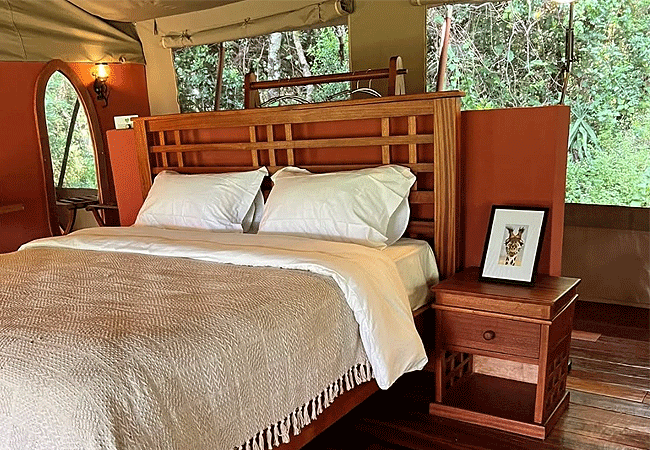 Accommodation in Mara Naboisho mainly consists of luxury and intimate safari camps and tented camps designed to provide an immersive wilderness experience.
Many camps emphasize personalized service, guided game drives, comfortable tented accommodation, excellent dining, and close contact with the surrounding environment.
When selecting accommodation, travelers should consider:
- Location within the conservancy
- Type of accommodation
- Game-drive arrangements
- Availability of walking or night activities
- Quality of guiding
- Meals and drinks included
- Airport or airstrip transfers
- Family facilities
- Seasonal rates
- Distance from Ol Seki Airstrip
Because accommodation packages vary, it is important to check exactly what is included in the quoted price before booking.
Naboisho and Other Maasai Mara Conservancies
Naboisho is one of several important conservancies surrounding the Maasai Mara National Reserve. These protected community areas collectively contribute to the wider Mara ecosystem.
Other important conservancies include:
- Ol Kinyei Conservancy
- Olare Motorogi Conservancy
- Mara North Conservancy
- Mara Triangle and other conservation areas
Each conservancy has its own landscape, wildlife concentrations, accommodation options, and management arrangements.
Understanding the differences between these areas can help travelers select the best location based on their interests, whether they prioritize big cats, exclusivity, walking safaris, photography, migration, or community conservation.
Why Visit Naboisho?
Mara Naboisho Conservancy is an excellent choice for travelers looking for a more intimate and conservation-focused Maasai Mara safari.
Its large size, abundant wildlife, exceptional lion sightings, seasonal wildlife movements, diverse birdlife, professional guiding, and community-based conservation model make it one of the most important wildlife areas in the greater Mara ecosystem.
A safari in Naboisho can provide opportunities to see predators and herbivores in a relatively peaceful setting while learning about the communities and conservation initiatives that help protect the landscape.
For travelers planning a broader Kenya safari, Naboisho can be combined with the Maasai Mara National Reserve and other Kenyan destinations to create a longer and more diverse wildlife itinerary.
Whether your priority is lion viewing, big cats, wildlife photography, bird watching, the Great Wildebeest Migration, cultural experiences, or community-based conservation, Mara Naboisho offers a distinctive way to experience the Maasai Mara ecosystem.