
Attractive places in Narok County

Ol Kinyei Conservancy

Ol Kinyei Conservancy is one of the most remarkable community-owned wildlife conservation areas in the Maasai Mara ecosystem, offering visitors an authentic combination of wildlife viewing, cultural experiences, walking safaris, and peaceful landscapes away from the busier areas of the main reserve.

For travelers searching for an Ol Kinyei Conservancy safari, this destination provides an opportunity to experience Kenya’s famous wildlife while also supporting local communities and conservation.

Ol Kinyei Conservancy

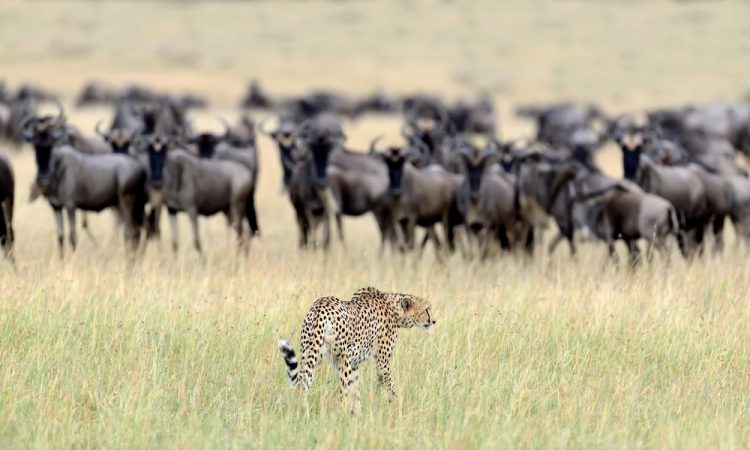
Cheetahs at the ConservancyOl Kinyei, the pioneer conservancy of all the conservancies in the Mara region which started as a pilot study to the community and all the stake holders on tourism industry, it was established in 2005 at small scale as a demo but over the years the Ol Kinyei conservancy has doubled in size and number of members, with the current numbers showing 171 locals and porini safari camps and four
other parties.

Ol Kinyei Conservancy is located in the North Eastern Mara, bordering Naboisho Conservancy in the West, Siana on the East, sitting on an area of 18,641 acres of land. The conservancy has collected several accolades, winning awards for the best conservancy in Kenya as a community-led initiative to educate the locals on the importance of tourism.

It’s one of the best areas to do both nature-guided walks and cultural tourism, which are best experienced in Kenya, as typical Maasai people are found living in their traditional norms, irrespective of more tourists who could impact them with Western culture, but these people have held on to their traditions.

Ol Kinyei Conservancy has two prides of lions, which count around 20 members. Other animals are Leopards, cheetahs, antelopes, zebras, wildebeest, and many more. It’s also path way for the great wildebeest migration that occurs annually between June and October, the Loita Plains migration that usually occurs around January, and the calving in February and early March.

Wildlife in Ol Kinyei Conservancy

A safari in Ol Kinyei Conservancy is particularly rewarding for travelers interested in seeing predators and plains game in a quieter setting. The open grasslands, woodland, seasonal streams, and varied habitats support a wide range of wildlife.

During game drives, visitors can search for lions, leopards, cheetahs, elephants, giraffes, buffaloes, hippos, hyenas, wildebeest, zebras, gazelles, and numerous bird species. The conservancy’s relatively peaceful setting provides excellent opportunities to observe wildlife and appreciate the natural environment.

One of the highlights of an Ol Kinyei safari is the opportunity to see big cats. Lions are among the most notable predators found in the area, while leopards and cheetahs add to the excitement for wildlife enthusiasts and photographers.

Because the conservancy is community-managed, tourism also plays an important role in supporting responsible wildlife conservation and benefiting local landowners. Visitors therefore get to enjoy a Kenya safari experience while contributing to a conservation model that connects tourism with community development.

Ol Kinyei Conservancy Walking Safaris

One of the major advantages of visiting Ol Kinyei Conservancy is the opportunity to explore the wilderness on foot with experienced guides. A walking safari in Ol Kinyei Conservancy offers a completely different perspective from a traditional vehicle game drive.

Visitors can learn about animal tracks, plants, insects, birds, animal behavior, and the smaller details that make the Mara ecosystem unique. Walking through the conservancy also creates a stronger connection with the landscape while maintaining appropriate safety practices and guidance from trained professionals.

For travelers looking for something beyond traditional game drives, guided nature walks provide a memorable way to experience the sights, sounds, and smaller details of the African wilderness.

Maasai Cultural Experiences

An Ol Kinyei Conservancy safari can also include meaningful cultural encounters with the Maasai community. Visitors may learn about traditional ways of life, local customs, livestock keeping, traditional homes, food, dances, and the relationship between communities and wildlife.

These experiences are valuable because conservation and tourism are closely connected to local livelihoods. Meeting the Maasai people also gives visitors an opportunity to understand how traditional communities have maintained their cultural practices while participating in modern conservation and tourism.

The combination of wildlife and authentic cultural experiences makes Ol Kinyei an appealing destination for travelers who want to experience more than wildlife viewing during their Kenya safari.

Wildebeest Migration and Seasonal Wildlife

The seasonal movements of wildlife make Ol Kinyei Conservancy attractive throughout the year. During the Great Wildebeest Migration, large herds move through the wider Mara ecosystem, creating dramatic opportunities for wildlife viewing.

The migration period between June and October is particularly popular with travelers hoping to witness the movement of wildebeest and other plains animals. However, wildlife experiences are not limited to the main migration season.

The Loita Plains migration, which usually occurs around January, adds another seasonal wildlife spectacle. February and early March can also be fascinating for travelers interested in the calving season, when young animals are born and predator activity can increase.

Understanding these seasonal patterns can help travelers choose the best period for an Ol Kinyei safari based on their interests.

Best Time to Visit Ol Kinyei Conservancy

A solo female traveler enjoying her time at the conservancyThe best time to visit Ol Kinyei Conservancy depends on what you want to see and experience. The dry months generally offer favorable conditions for game viewing because animals are easier to locate around remaining water sources and vegetation is less dense.

June to October is popular because of the Great Wildebeest Migration in the wider Maasai Mara ecosystem. This period can provide spectacular wildlife encounters and is particularly attractive to first-time safari travelers.

Quieter periods can also be rewarding for visitors who prefer fewer vehicles and greener scenery. Travelers interested in the calving season may consider visiting in February and early March, while those interested in the Loita Plains migration can consider the period around January.

Why Visit Ol Kinyei Conservancy?

Ol Kinyei stands out because it combines wildlife conservation, community participation, cultural tourism, and exclusive safari experiences within one landscape. Unlike a visit focused solely on the main Maasai Mara National Reserve, staying in a conservancy can provide greater opportunities for walking and cultural activities alongside game viewing.

It is an excellent choice for couples, families, photographers, and travelers seeking a more intimate Kenya safari experience. The conservancy’s wildlife, landscapes, community involvement, and opportunities for guided nature walks make it an important part of the wider Maasai Mara ecosystem.

For anyone planning a Maasai Mara safari, adding Ol Kinyei Conservancy to the itinerary can create a deeper understanding of how conservation and tourism work together. Ol Kinyei offers unforgettable Kenya safari experiences while providing visitors with opportunities to discover wildlife, experience Maasai culture, enjoy walking safaris, and appreciate the importance of community-led conservation.

book a Masai Mara trip