

What to see / Attractions in Masai Mara
Tourist Attractions in Masai Mara National Park
What to see / Attractions in Masai Mara: Masai Mara National Reserve has several important nature and wildlife attractions located inside the park:
Ol Kinyei Conservancy is one of the most busy and great What to see / Attractions in Masai Mara. Popular ecosystems in Maasai Mara located around the Serengeti and Maasai Mara ecosystem, it was established in 2005 in partnership between 172 Maasai landowners and Porini Safari Camps to set apart some land to be cattle-free zones for the purpose of promoting wildlife conservation.
It has unspoiled scenery with more diversified terrain, making it a key what to see / Attractions in the Masai Mara, along with rolling hills on the other. It’s occupied by swamps and water streams, not forgetting the Mara River that runs between the two parks and also acts as a boundary.

It’s a wildlife conservancy that belongs to the local community of the Maasai and is managed locally, and it’s the largest conservancy in the Maasai Mara, harboring more animals, including the big cats like lions and leopards.
It covers an estimated area of around 17,500 acres of the Koyaki Lemek area; it borders Naibosho in the west and Siana to the East. Ol Kinyei conservancy is located at the right point; guests can enjoy the clear view of the Wildebeest Migration from Loita Plains to Ol Kinyei conservancy for Calving during February and March, when the vegetation of the conservancy is still low, as we prepare to receive our first rainfalls when they move to Olare Motorogi through Naboisho.
Mara Triangle

Mara Triangle is one of the conservancies of Maasai Mara National Reserve that highlights what to see / Attractions in the Masai Mara; it’s located on the North-Western part of the Reserve. Mara Triangle is managed by a nonprofit organization called Mara Conservancy, founded by the Maasai locals to strengthen the anti-poaching programmes on behalf of Trans-Mara County Council.
The Mara Conservancy was founded by committed, hardworking locals who aim for sustainable Tourism through accountable, transparent management that accounts for the welfare of both wildlife and guests.
Mara Triangle is less crowded, found across the Mara River that forms a natural boundary, making it isolated from other parts of the Maasai Mara National Reserve. The Mara Triangle, the center of Attractions in the Masai Mara, is easily accessible by domestic flights since they have two airfields those are Serena airstrip and the Kichwa Tembo airstrip, with flights operating daily.
The conservancy covers an area of 510 km squared defined by Oloololothe Escarpment, established in 1994, though it faced a lot of poaching and management challenges till around 200 when more local leaders joined to improve the management of the Triangle under the headship of Trans-Mara County Council.
The location of the Triangle favors more animals that roam within the Mara Triangle, with the natural fence being the Mara River, which prevents animals from crossing to other sides of the reserve. The scenic beauty with diverse landscapes like Rivers, Streams, swamps, volcanic features, and others makes it much more unique from the rest of the parts of the Maasai Mara.
The Mara triangle proudly hosts the great What to see / Attractions in Masai Mara like wildebeest migration as it acts as an open door for both entrance and exit making it one of the riches destinations in Maasai Mara where the most experiential game drives can be done, the most luxurious accommodations are also located in this area like Mara Serena Lodge, Mara Enkipai Safari Camp, Mara River Camp and many more.
Olare Orok Conservancy

The Olare Motorogi Conservancy is located on the Northern side of the Maasai Mara National Reserve, formed through merging two sub conservancies of Olare Orok Conservancy and Motorongi Conservancy covering around 33,000 acres of land with What to see / Attractions in Masai Mara that are ecological importance and great scenic beauty.
Olare Motorogi Conservancy borders directly with Maasai Mara National Reserve at its lower valleys of Ntiakitiak and Olare Orok rivers, covering the largest area of acacia woodland.
Olare Motorogi Conservancy was created in May 2006 by 277 Maasai landowners with freehold title who agreed to set aside around 3500 acres of land by removing their cattle from the short grass land areas that attracted a lot of herbivores automatically when the food is available the carnivores were to attracted hence balancing the eco system. It’s out of this background that Olare Motorogi Conservancy has the greatest and largest prides of lions in the Maasai Mara National Reserve.
This forms an important what to see/attractions in Masai Mara called buffer zone corridor for migrants’ animals between Maasai mara and other conservancies, it has got good record with positive increase of most of the animals with a good eco balancing between predators to prey including the most endangered animal species like African Wild dogs, Rhinos and others.
Six-member accommodation has been set in place that includes Mara Expeditions Camp, Mahali Mzuri, Porini Lion Camp, Mara Plains Camp, Olare Mara Kempinski and Kicheche Bush Camp. The Olare Motorogi Conservancy management has played a big role as they work closely with Kenya Wildlife Services to promote the health and welfare of wildlife through research and other foundations like Living with Lions and Colorado State University, with research and many more.
Olare Motorogi Conservancy and what to see / Attractions in the Masai Mara can be easily accessed by road through Narok town with good 4×4 wheel drive cars, especially during rainy season since the roads after Narok are in bad condition with a lot of potholes. One can also dodge all these African masses through a domestic flight that runs daily from Nairobi Wilson Airport direct to Olare Motorogi Conservancy.
Mara North Conservancy
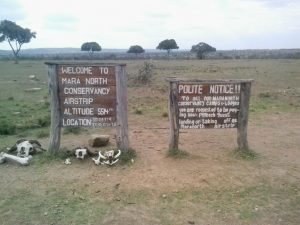
Mara North Conservancy (MNC) is the largest conservancy in the Masai Mara National Reserve, covering a wide range of What to see / Attractions in the Masai Mara total area of 69,160 acres of land. It’s located in the Northern part of the Masai Mara, bordering the reserve.
It forms the greater Mara ecosystem in the northwestern zone, the home for the leopards, sometimes referred to as Leopard Gorge or the maternity center for the big cats, since the hills give them a good, cool, and safe environment for the young ones who will be hidden in the caves of the hills, trained, and later released to the wilderness.
Mara North Conservancy was established in 2009 by collaboration efforts of 12 key strong member accommodations and more than 800 Maasai locals who own the land.
The Mara North offers guests great Attractions in the Masai Mara, a wilderness experience to explore the most remote Kenya parts of the bush, the conservancy hosts What to see / Attractions in Masai Mara both migratory wild life and permanent residents like big five that includes Rhinos, Elephants, Lions, Buffalos and leopards.
Other animals are Antelopes, Zebras, Wildebeest, Hyenas, Wild dogs, to mention but a few. From December to May, Mara North Conservancy receives thousands and thousands of the local wildebeest during the Loita Hills migration.
The money collected as park entry fees and part of the bed money is used for the protection and enforcement of conservation goals through promotion of the wildlife and the Maasai locals. The Mara North has many accommodations that include: Mara Rianta Camp, Offbeat Mara Camp, Karen Blixen Camp, Elephant Pepper Camp, Ngare Serian, Mara Acacia Bush House, Royal Mara Safari Lodge, Saruni Wild, Ngare Serian and Serian, among others.
Mara North Conservancy and all its What to see / Attractions in the Masai Mara can be easily accessible both by air, with a good number of domestic flights scheduled daily connecting from Wilson Airport with Safarilink and AirKenya operating. One can also drive directly through Narok town and enter the conservancy.
Mara River

Mara Naboisho Conservancy, located in the southwestern part of the Masai Mara National Reserve, Olare Orok in the West and Ol Kinyei to the east, occupies around 50,000 acres of land, making it the second largest conservancy after Mara North in the region. The Name Naboisho means “Coming together” in the local Masai language; it was established in 2010 by a total of 425 Masai landowners and seasoned conservationists.
Mara Naboisho Conservancy is famous for its large prides of lions with an estimated number of 100 lions present in the conservancy, big number of heads of Elephants , wildebeest, Giraffes, Serval Cat, Aadwolf, Caracal and others not forgetting good experience for birders who can see more rarely seen bird species like White-headed Buffalo weaver, Bush Pipit, Pigmy Falcon and many more.
Found in the Northern part of the Masai Mara National Reserve, the Naboisho Conservancy is the newest in the Masai Mara region. The Mara Naboisho Conservancy is the secondary route of the Loita Migration, where large groups of zebras and wildebeest move from Loita Hills to the Mara North Conservancy and finally to the Masai Mara National Reserve.
The high number of grazers boosts the large number of predators in this conservancy, thanks to the Koiyaki Guiding School for the hard professional work it has done to improve not only the quality of the services but also sensitization of the locals on the value of wildlife.
Mara Naboisho Conservancy and all what to see / Attractions in Masai Mara can be accessed by both road that takes around 5 hour drive from the capital Nairobi, passing through small and big towns and villages, with the most famous town being Narok town or by air from Wilson airport to Ol Seki airstrip which handles scheduled flights which operate daily.
Ol Choro Oiroua
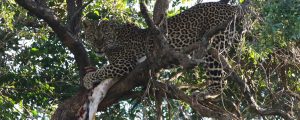
Ol Choro Oiroua conservancy is managed by Seiya Limited under the control of Fairmont Kenya; it covers a total area of 17,000 acres of land. It’s located in the Northern part of the Maasai Mara National Reserve, with its greatest uniqueness from other conservancies being that even the youngest members of the benefiting tribes get their benefits from Ol Choro Oiroua conservancy.
Many schools have been established in the conservancy to enhance and uplift the level of education from the local communities; for example, Enkerende Primary School, which is fully funded by the Ol Choro Oiroua conservancy funds but run by the church setting.
The conservancy also works hard to improve the economic status by supporting many local projects that help and empower the locals with knowledge and other forms of not only getting money but also how to use the available resources well through managing waste in the area to avoid or reduce the negative impact of tourism in the area.
Ol Choro Oiroua conservancy has worked hard to ensure proper management of waste by providing opportunities to the Maasai locals for income generating projects through cultural conservation and self dependant through community income generating projects; for example, the women’s project that makes handicrafts like handbags, sculptures, jewelry, and others using local materials from the community.
Accommodation in the conservancy includes the largest Fairmont Mara Safari Club, Ngerende Island Lodge and Richard’s Forest Camp.
Lemek Conservancy

Lemek Conservancy is one of the best game viewing areas in the Maasai Mara, located in the northern sector of the game reserve with an area of approximately 19,000 acres of land, to maximize the sustainable Mara ecosystem.
Lemek Conservancy was known as Koyaiki Lemek Conservation Area, which was named after the local community name where the conservancy occupies and the partners, Koyaiki Group Ranch. The name was changed after some time, when more landowners and stakeholders in tourism joined, in that is Lemek Group Ranch.
Some part of the land was merged into Mara North, which led to the reduction of the size of the conservancy to the current estimated 19,000 acres, even if the actual size is not yet known and has not been released by their board, but it remains at that level.
Lemek is still affected by some management issues, as the land was initially owned by the Masaai local communities before being taken by Koyaiki Group Ranch and later the Lemek Group Ranch. The other big challenge is balancing the needs of the local communities with the protection and conservation of the wildlife habitats, which are critically endangered due to serious encroachment by the locals.
The conservancy has a big advantage in that what to see / Attractions in Masai Mara can be done throughout the year in open grassland savannahs with a few dotted trees that line the Mara River, hence attracting big cats like Leopards who like to be on trees.
The wildlife is mostly abundant during the annual wildebeest great migration. The conservancy offers the best night game drives, off-road game viewing, nature walks, and cultural or community tours.
Lemek Conservancy offers mostly budget accommodation with over 80 rooms, which are constructed by two member accommodations: Mara River Lodge and Enkerende Tented Camp.
When it comes to accessibility, Lemek Conservancy is the easiest to reach, taking just 4 hours drive from Nairobi, with 75% of the road being smooth and well tarmacked, with good scenic views when driving.
You can also access the conservancy by flight, with the nearest airstrip found in Mara North or Ngerende airstrip, which has daily scheduled flights from Wilson Airport in Nairobi city.