

History of masai mara
History of Masai Mara
History of Masai Mara: Masai Mara National Reserve is one of the most popular tourist destinations in Kenya. It’s located in southwestern Kenya along the Great Rift Valley area in Narok County, Kenya, adjacent to Serengeti National Park of Tanzania, all around the Mara Region.
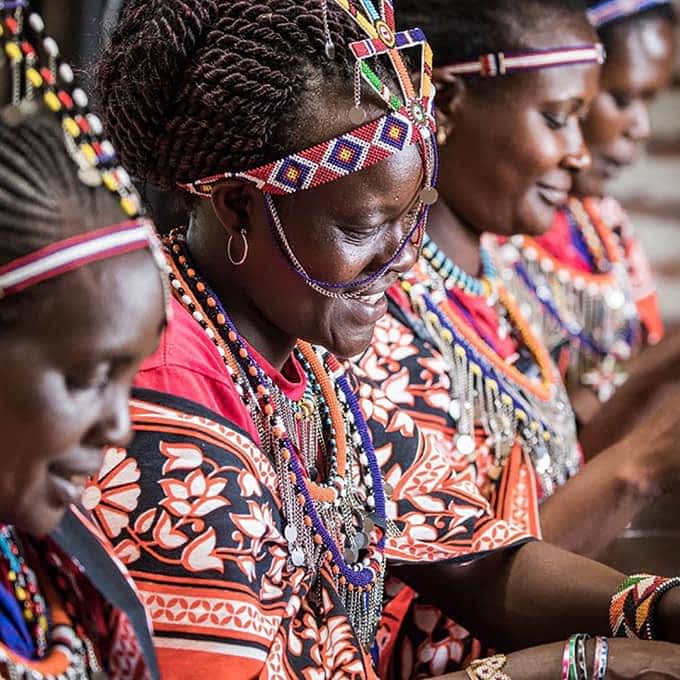
The Reserve was named in honor of the ancestral inhabitants, the Maasai people, who described the area as “Mara,” meaning spotted circles of trees, savanna, scrub, and cloud shadows of the area.
Masai Mara National Reserve was established in 1961 as a wildlife sanctuary, covering a small area of only 520 square kilometers in the current Mara Triangle.
In the same year, the reserve was extended to the east to cover around 1,821 square kilometers; it was at this point that it was converted into a game reserve under the new management of the local community of Narok County Council.
Masai Mara acquired national reserve status in 1974, and some of the land, measuring 159 km2, was returned to the locals. In 1976, more deductions were made to the park, totaling 162 square kilometers, reducing the total area of the park to 1510 square kilometers by 1984.
In 1994, Trans Mara County Council was formed, and this action led to the division of the management of the park between Narok County Council and the new council. To further complicate matters, but a good move, in 2001, another not-for-profit Mara Conservancy was formed and took over the management of the reserve.
Masai Mara National Game Reserve is bordered by the Siria escarpment in the west, the Serengeti in the south, and Maasai pastoral ranches in the north, east, and west. The park has the Masai Mara River and Talek River as key draining rivers for the park.
The vegetation of the park is mostly open savannah grassland with some seasonal riverlets and some dotted acacia trees.
The reserve is most popular for the annual great migration, during which millions of wildebeest cross the Mara River, facing the survival of the fittest alongside Nile crocodiles and predators such as lions and leopards. You can see all the Big Five in Masai Mara; those are elephants, leopards, lions, buffalo, and rhinos, with the highest number of black rhinos in Africa.