
Is Malindi better than Watamu?
Is Malindi better than Watamu? : Similar to Mombasa, Malindi is a historic Swahili port that was influenced by Portugal in the sixteenth century. Although there are a few significant historical landmarks strewn around the old town, it is much smaller, more low-rise, and has a less obvious feeling of antiquity than Mombasa.
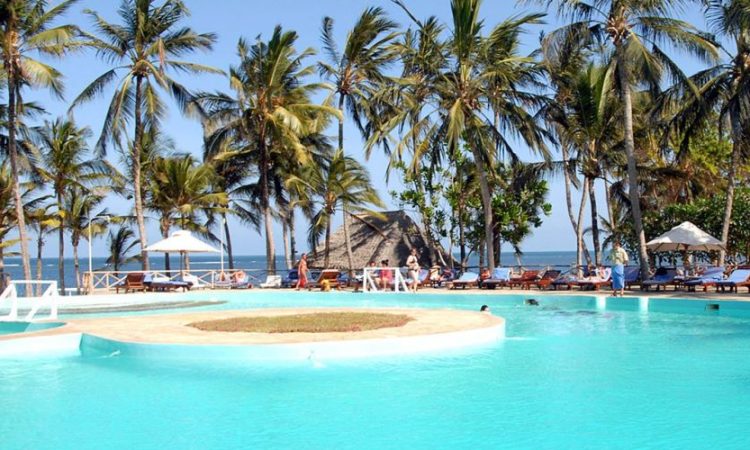
More than any other similarly sized town in Kenya, Malindi serves primarily as a beach resort these days. In addition to a vibrant seaside restaurant scene and a variety of other urban diversions, such as supermarkets and nightclubs, it provides a fair selection of midrange lodges targeted at the European package market.
Watamu is better off feeling more like an overgrown fishing village and less like a vacation town because it is separated from Malindi by 15km (9,3mi) of Indian Ocean beachfront. In addition to having what is perhaps Kenya’s most beautiful beach, Watamu has excellent offshore snorkelling in Turtle Bay’s serene, clear waters. It is virtually walking distance from Arabuko-Sokoke National Park’s woodland animals and the mediaeval city of Gedi, which is surrounded by a jungle.
The two pillar tombs from the 15th century that face the Friday Mosque on the waterfront and the modest thatched church constructed by the Portuguese in the early 16th century are the two most important landmarks in Malindi Old Town. The Portuguese explorer Vasco Da Gama built the limestone Da Gama Cross on a windswept coral peninsula a short stroll south of the town centre, following his landing at Malindi in 1499.Built by an Indian trader around 1890, the three-story waterfront “House of Columns” serves as the home of the National Museum of Malindi. A collection of etched Gohu funeral totems and a stuffed 77kg (170lb) coelacanth are among the displays.

Both Watamu and Malindi offer nice sandy beaches for swimming, but Watamu’s Turtle Bay is particularly picturesque because of a unique forest of jagged coral formations that emerge out of the absurdly clear water like enormous mushrooms. Malindi Marine National Reserve, the oldest marine reserve in Africa, spans 213 km2 (82 square miles) and preserves open ocean and offshore reefs south of Malindi to Mida Creek. It provides some of the best opportunities for seeing marine life in East Africa. Diving is often done on the larger barrier reefs farther out to sea, while snorkelling is great in Watamu’s Turtle Bay’s serene coral gardens.
Mida Creek, isolated from the open sea by the Watamu Peninsula, is a vital marine birdwatching safaris location that can be visited via a tiny hide and stilted boardwalk built as part of a community-based ecotourism initiative. In addition to being an important wintering area for Palaearctic migrants like Greater Flamingo and Crab Plover, it is also a suitable spot for Mangrove Kingfisher. The less striking, but extremely rare, Sokoke pipit can be seen in the nearby coastal scrub.
The largest remaining stretch of coastal forest in East Africa, covering 420 square kilometres (162 square miles), is home to a variety of globally threatened and nearly endemic mammals and birds, such as the Chestnut-fronted Helmetshrike, Ader’s duiker, Sokoke dog mongoose, Yellow-rumped elephant-shrew, Clarke’s weaver, and Sokoke scops owl.
The park’s vast network of roads and walking trails, along with its large, recently constructed routes, serve as a constant reminder that it is also home to a clandestine population of 120 elephants that are rarely seen.
Gedi National Monument preserves the remnants of a 20-hectare walled Swahili city-state that thrived as a hub of maritime trade between the 11th and 13th centuries, making it the most striking and evocative of the numerous mediaeval ruins along Kenya’s coast.
The 900 m² (9,688 square foot) Sultan’s Palace and eight mosques may be located among the jungle-bound remains, and the museum showcases artefacts that were made in distant places including India, Egypt, Arabia, and Spain in addition to those found there. Located between the main mosque and the palace, a birdwatching platform atop a baobab tree provides an excellent bird’s-eye perspective of the entire site.
Location
Mombasa is roughly a 90-minute drive north of Watamu and Malindi. Scheduled flights are available from Mombasa, Lamu, and Nairobi to Malindi, whose airport is located less than 20 km (12 mi) from Watamu and 3 km (1,9 km) from the town core. Accommodations are plentiful in both places. Watamu’s hotels offer a more individualistic vibe, although Malindi is better at package hotels and low-cost lodging targeted at travellers.
Diving and snorkelling excursions, as well as day trips to Gedi, Arabuko-Sokoke, and the Marafa Depression, can be arranged by any hotel or local tour operator.
Things to do in Malindi and Watamu
Sawa sawa dhow excursions
Take a full-day excursion on a Sawa Sawa, a genuine, hand-built East African dhow constructed in Mozambique. These day outings, which can accommodate up to 10 people each, require a minimum of two individuals and provide an amazing beach adventure. Get ready for an amazing day of sailing, discovering hidden beach locations, snorkelling, eating seafood for lunch, and, if you’d like, enjoying a sundowner drink.
Marafa Depression
Locals refer to the Marafa Depression as Nyari, which means “the place broken by itself.” The term “Hell’s Kitchen” comes from the fact that temperatures can reach extremely high levels during the day. This remarkable mini-canyon of sandstone with its naturally formed stone columns and varying colours was the site of numerous ancient holy rituals. There existed a town in the depression, according to local customs. Now, the sandstone being eroded away by wind, rain, and floods, revealing layers of pink, orange, white, and deep crimson. Visiting the gorge at sunset is especially striking, as the colours pop against the sandstone’s ribbed gullies.

Falconry of Kenya
Visitors can get up close to a sizable collection of raptors and other creatures at The Falconry of Kenya, a private zoo. Explore animals in their enclosures, such as goshawks, owls, peckers, eagles, and a 200-year-old tortoise. The more daring visitor has the opportunity to feed, stroke, and even hold the birds. In addition, the Falconry of Kenya features a snake enclosure with cobras, green mambas, and pythons. The location also features monitor lizards, monkeys, and crocodiles.
Gedi ruins
The archaeologists are still baffled by the Gedi ruins. On a Kenyan safari tour, archaeologists to the Gedi ruins exhibit all the characteristics of an ancient cosmopolitan town, demonstrating the complexity and advanced nature of African society. This city, which is believed to have been established in the early 13th century, had streets, running water, and a sewage system. At the location, archaeologists have also discovered Venetian glass, Ming Chinese vases, and other items from over the globe. The mosque, a palace, and coral-brick homes all stand as stark reminders that the Muslim residents of this coastal town in Kenya were sophisticated merchant traders who created an amazing culture, despite the fact that time and weather have left everything in ruins.
Watamu National Marine park
The first aqua park in Kenya is Watamu National Marine Park. With more than 600 varieties of vibrant fish and other marine life, together with gardens and coral reefs, the marine park offers snorkelers an underwater rainbow of hues. Beyond the ocean, you may see more than 100 different types of birds along the shore, in addition to turtles and dugongs. You can also try windsurfing or water skiing, or just lounge on the unspoiled sandy beaches.
Kipepeo project
The Swahili term for butterfly is “Kipepeo.” Along with other living insects, butterflies, moths, and pupae are displayed at the Kipepeo Project. It advertises and markets the honey and silk fabrics made by the neighbourhood’s residents. You can either swing by to see these gentle creatures up close or just buy some locally produced goods, such as souvenirs created in Kenya.
Mida Creek
The Mida Creek is a stunning inlet spanning 20 miles (32 kilometres) that features expansive sea grass and coral beds. Large variety of fish species can be found there, along with feeding sea turtles. Smaller streams and inlets inside the mangroves offer a haven for wildlife such as crabs and birds, On Kenya safari, this is the most ideal place to visit for birdwatching safaris. It’s ideal to explore Mida by boat since you might get lucky and see flamingos being fed.The creek’s countless tiny channels and passages through the mangroves make it an amazing place to go kayaking as well. Wakeboarding and water skiing are also great in the centre broad water. The Mida Creek Conservation Community maintains a local crab farm and crab shack restaurant along the shoreline. They are known for their crab samosas, which are served on the deck and boardwalk that are constructed over the mangroves and offer views of the creek.
Watamu turtles watch
A Kenya safari tour to a small nature reserve called Watamu Turtle Watch is in charge of looking after about fifty green and hawksbill turtles that lay their eggs on Watamu Beach. Take an educational tour to learn about these stunning marine animals and the local community’s efforts to protect them. The sea turtle rehabilitation clinic run by the trust tends to sick or damaged turtles. When they are strong enough, they are brought to the beach and let go back into the ocean.
Ndoro sculpture Garden
A stroll around the Ndoro Sculpture Garden might help you re-establish your connection with the natural world and art. It’s the ideal place to pass the time with approximately 300 amazing local sculptures that represent heads and stone creatures in a lovely, tranquil garden. The owner will personally give you a tour during appointments only. On site, there’s also a small shop with some quite decent presents.